Imagine picking up a book where the text doesn’t tell a story about fictional characters or historical events, but instead describes the exact physical movements required to create the object in your hands. This isn't just a clever design trick; it’s a meta-manufacturing marvel that turns the "DNA" of a 3D printer—its G-code—into the very art you’re holding.
From Waste to Word
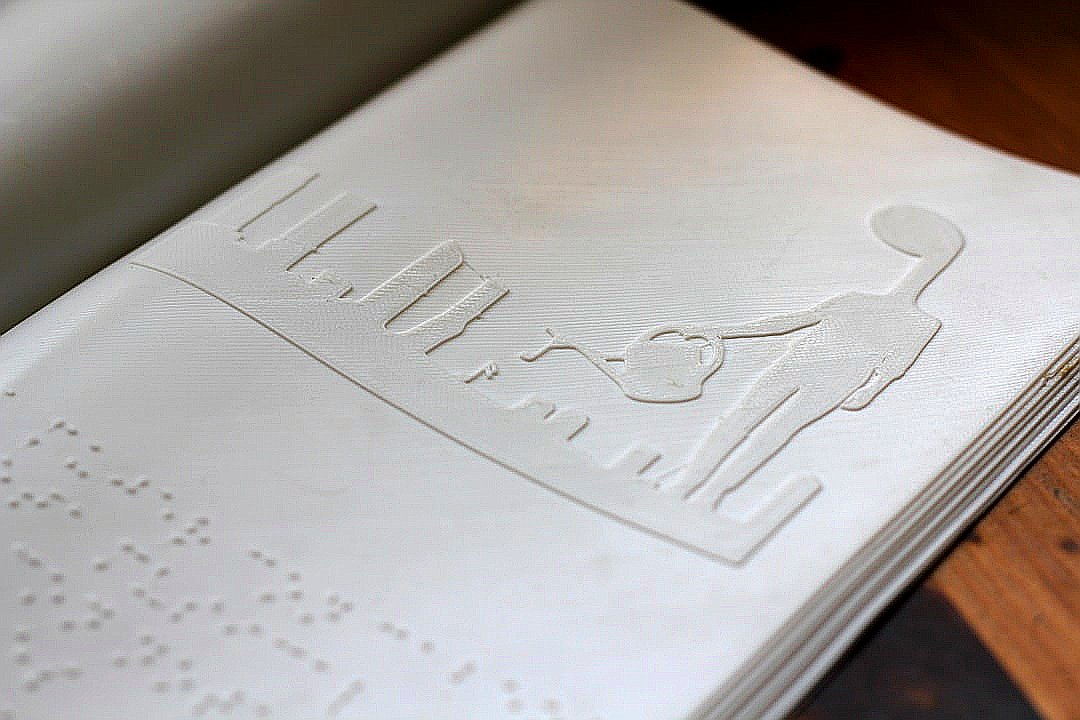
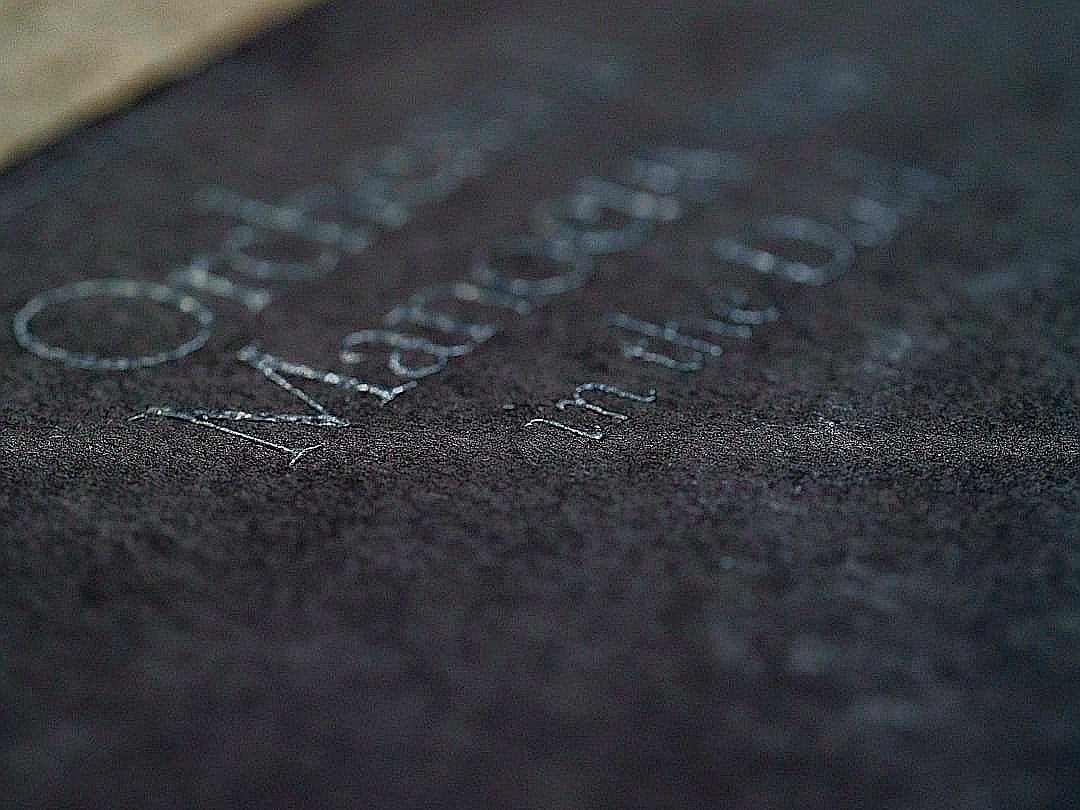
This experimental project, part of designer Ben Hopkins’ "Melt" series, represents a fascinating intersection of sustainability and self-referential art. The book is crafted from recycled food packaging, transforming discarded plastic into a vibrant, tactile object. But the real magic lies in the surface. Typically, when we 3D print an object, the G-code—the list of numerical instructions that tells the printer where to move, how fast to go, and how much filament to extrude—remains hidden inside a computer file. In this case, those instructions are rendered as raised, legible lettering on the pages.
The DNA of the Object
By making the G-code visible, Hopkins is essentially allowing the machine to write its own autobiography. Every "G1" command and coordinate represents a specific moment in the printer's life cycle. It echoes the revolutionary impact of the original printing press, which first automated the spread of information. However, while the printing press was a tool to distribute external ideas, this 3D-printed book is a tool to explain its own existence.
This "meta-manufacturing" approach challenges our typical relationship with products. Usually, we only see the finished result, blissfully unaware of the complex logic required to build it. Here, the process and the product are one and the same. It’s a literal manifestation of the machine’s internal logic, turned into a permanent physical record.
As we move toward a future where we can print everything from office supplies to houses, this project serves as a poetic reminder of the digital scripts that build our physical world. It’s a bridge between the abstract world of code and the tangible world of touch, proving that even a list of coordinates can be a work of art.
Sources
Media