Your Brain on Autopilot: The Rise of AI-Engineered 'Neuro-Videos'
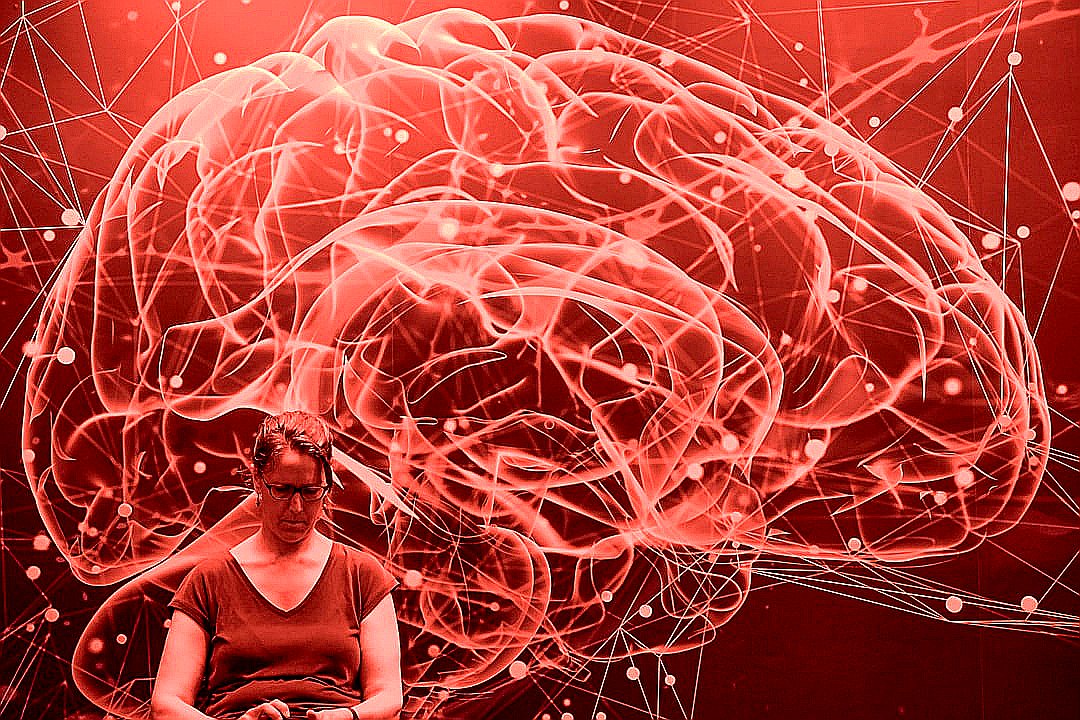
Imagine a video so precisely engineered that it doesn't just catch your eye—it lights up a specific cluster of neurons in your visual cortex like a Christmas tree. This isn't a scene from a cyberpunk novel; it is the new frontier of "maximal activation," where generative AI and neuroscience are merging to create media designed for our gray matter.
Engineering the Perfect Visual Stimulus
Recent breakthroughs, particularly from researchers at Cornell, have shown that AI can generate images specifically designed to "drive" certain parts of the brain. By using functional magnetic resonance imaging (fMRI) data, scientists found that these synthetic visuals could activate targeted regions significantly more than any "natural" image found in the real world.
Essentially, the AI is learning the "source code" of our visual system. It iterates through millions of possibilities to find the exact pattern of light and shape that a specific brain region reacts to most intensely. When volunteers viewed these AI-optimized images, their brain activity spiked exactly where the researchers predicted, outperforming standard visual tests.
From Static Frames to Neural Cinema
The technology is rapidly evolving from still images to dynamic content. New models like MovieNet are now being trained to process and "watch" videos by mimicking human neural pathways. This brain-inspired AI doesn't just look at pixels; it interprets moving images with a subtlety that mirrors our own biological processes.
Perhaps even more mind-bending is the reversal of this process. Some labs have successfully used AI to reconstruct high-quality video directly from a person's brain readings. By decoding fMRI signals, the AI can "see" what a subject is watching, effectively translating thoughts back into a digital video stream. We are entering an era where the loop between what we see and how our brain reacts is becoming a closed, programmable circuit.
The Future of Targeted Media
The implications for this are massive. On the medical side, we could see "digital therapeutics" where specific video sequences are used to rehabilitate damaged brain regions or sharpen cognitive functions. On the commercial side, however, it opens the door to a new level of neuromarketing—content engineered to hit our reward centers with surgical precision. As AI gets better at watching videos like we do, it is becoming terrifyingly good at making videos just for us.
Sources
Media