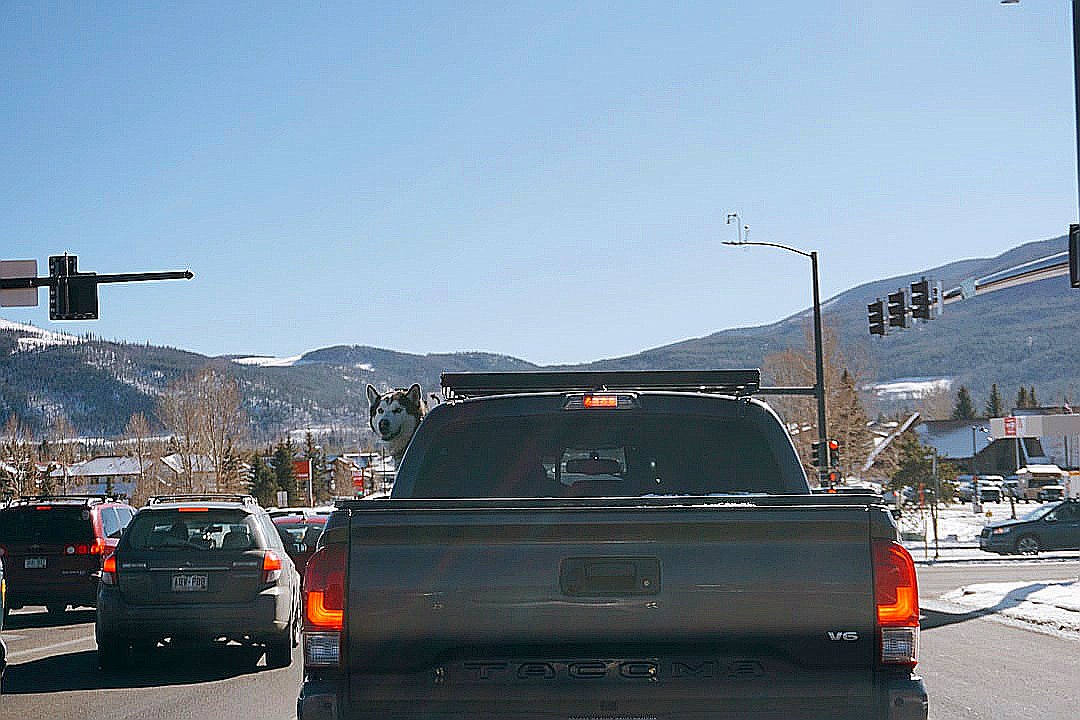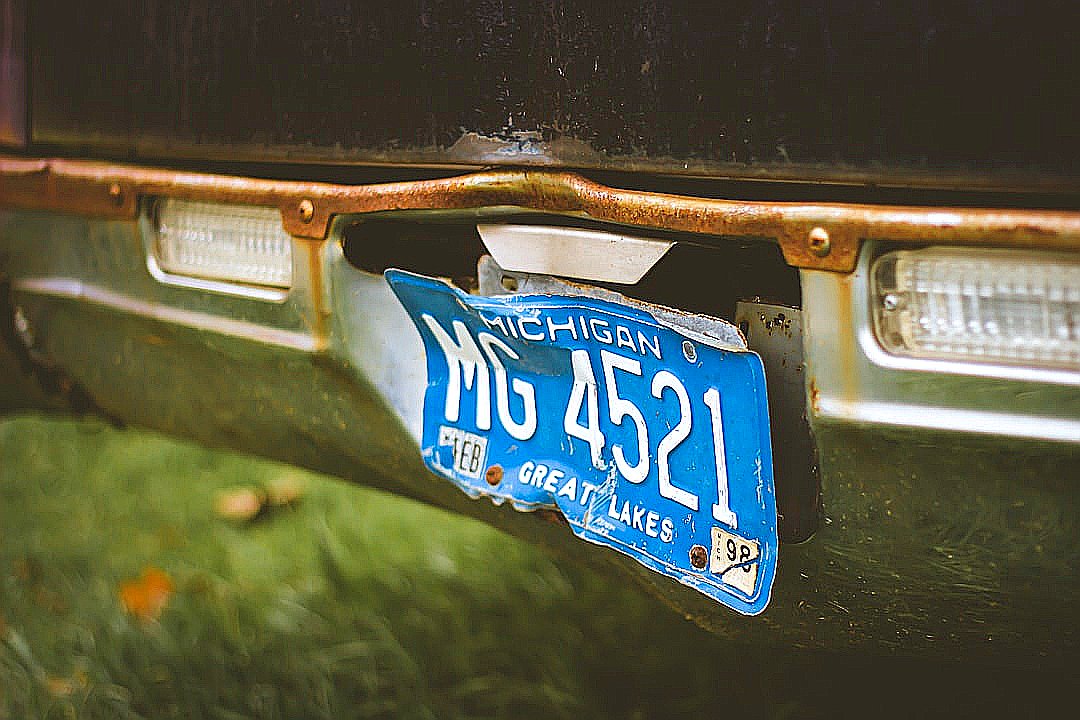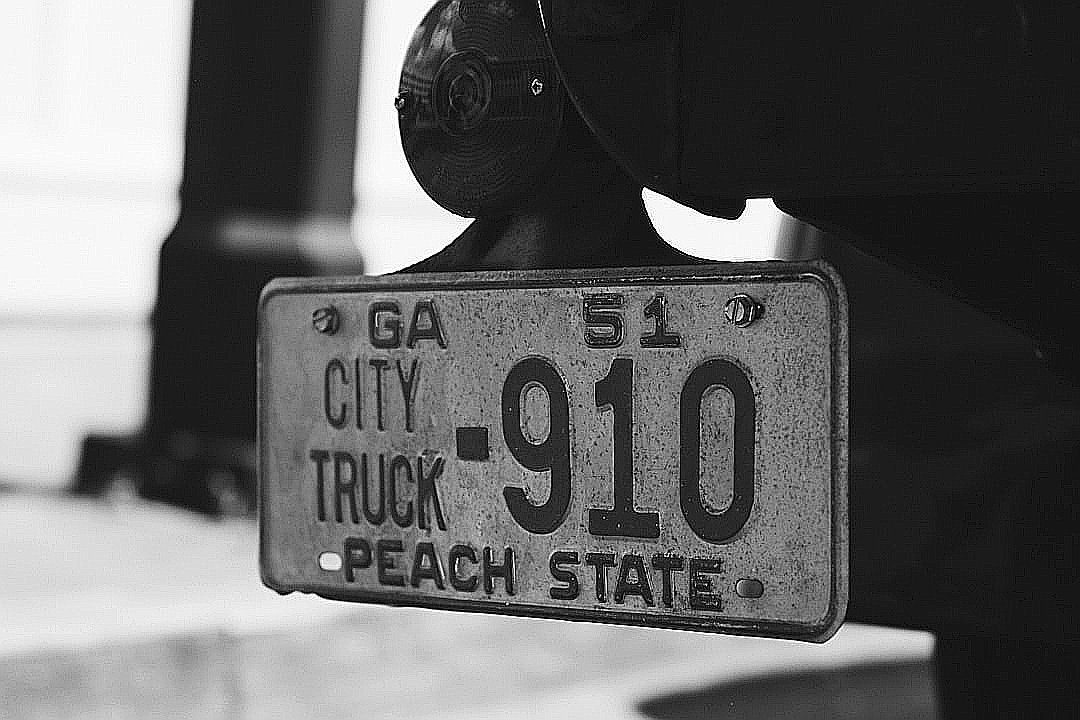
It started as a routine tech upgrade for local law enforcement, but it ended with barricades and a state of emergency. In towns across the country, AI-powered license plate readers (ALPRs) are no longer just tools for catching car thieves—they’ve become the center of a localized civil war. From the bustling streets of Fort Lee to the tense corridors of Chicago, the integration of these "smart" cameras into municipal infrastructure is sparking a backlash that's moving from the town square to the courtroom.
A Town Under the Lens
In places like Fort Lee, NJ, residents are used to seeing heavy police presence during official processions, but the invisible net of AI surveillance is harder to ignore. These cameras don’t just read numbers; they track patterns, log locations, and build profiles. While officials argue they are essential for public safety, the community friction is palpable. The tension has escalated from town hall grumbling to a full-blown crisis, with some facilities now barricaded and guarded by a mix of local police, sheriff deputies, and state troopers.

The Legal Backlash and Federal Friction
The pushback isn't just coming from privacy advocates. State officials are now drawing lines in the sand to prevent AI overreach. In a notable move, Illinois Secretary of State Alexi Giannoulias recently warned that federal agents who tamper with license plates are not above the law and could face fines or jail time. This jurisdictional tug-of-war has turned municipal infrastructure into a battlefield. When federal agents or local police are perceived to overstep, they’re facing a new wave of legal accountability.
As we look ahead, the future of AI in our streets remains uncertain. We might see a shift where new tech companies emerge specifically to handle AI ethics, as current giants struggle to balance security with civil liberties. For now, the "State of Emergency" in these towns serves as a warning: when AI moves into the neighborhood, the neighbors might just fight back. Whether it’s through legal reform or civil protest, the drive for total surveillance is hitting a major speed bump.
Sources
Media