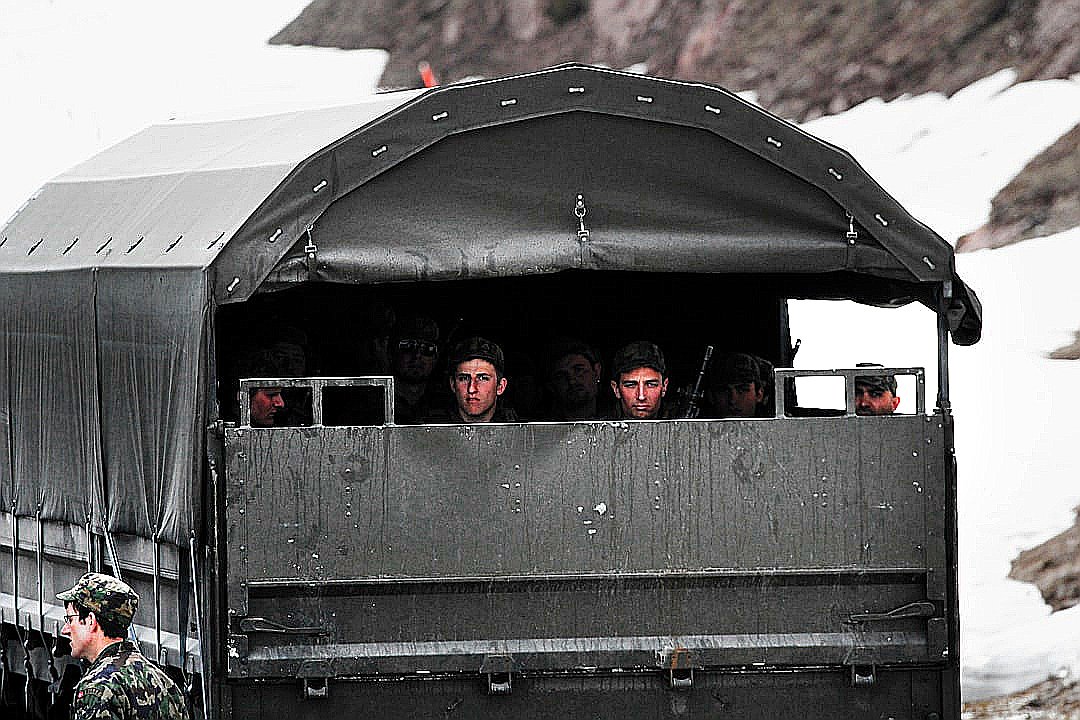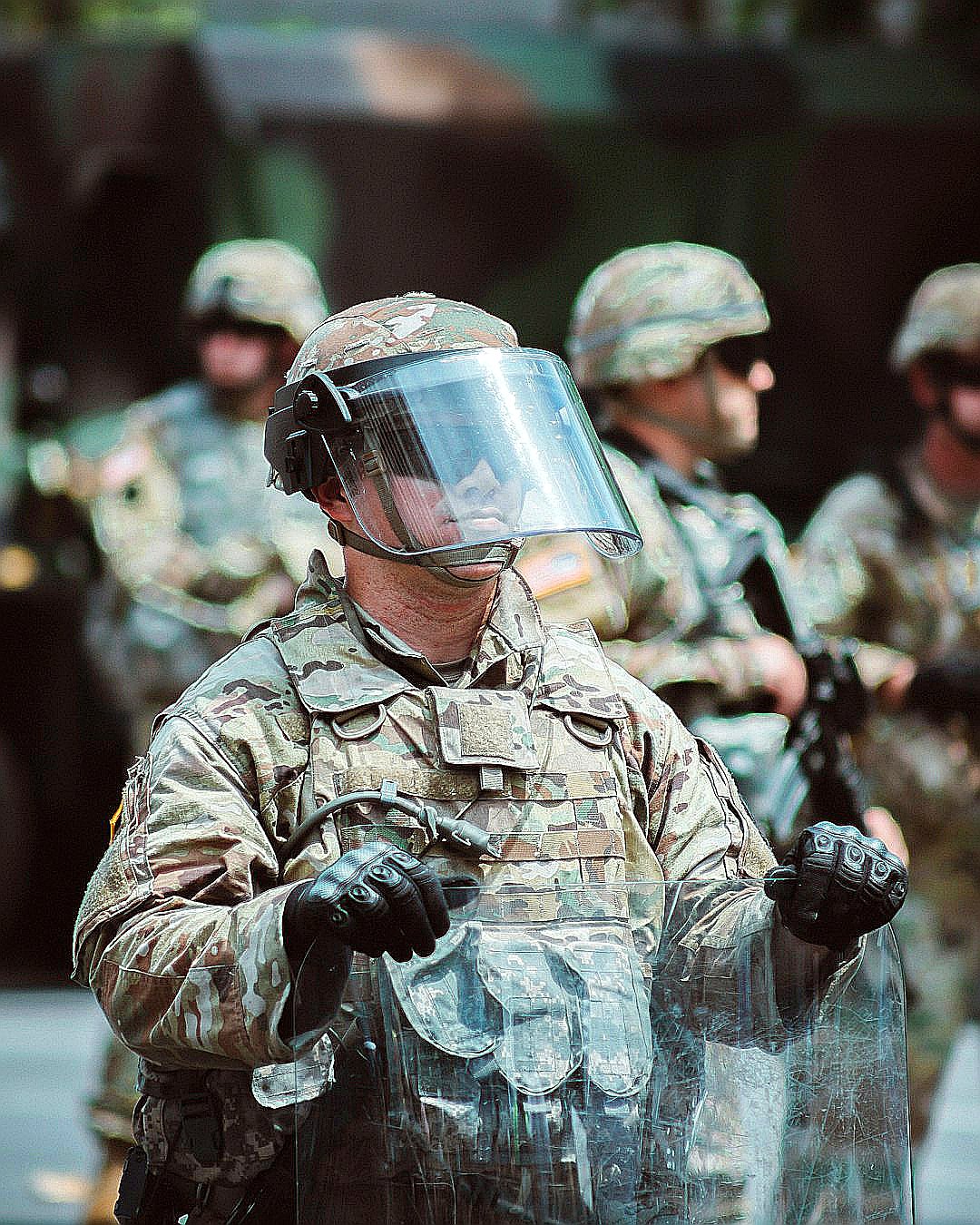
We love talking about hypersonic missiles, AI-driven drones, and stealth fighters. But there’s a boring, invisible problem that could lose the next big war before the first shot is even fired: logistics. For decades, the U.S. Army has operated in "permissive" environments—places like Iraq and Afghanistan where we effectively owned the skies and the roads. In a peer-to-peer conflict against a sophisticated adversary, that "glass backbone" of supply chains is looking dangerously brittle.
The Curse of Just-in-Time Efficiency
Modern military logistics has taken a page out of the Silicon Valley playbook, prioritizing lean, "just-in-time" delivery systems. While this is great for saving money during peacetime, it’s a nightmare for high-intensity conflict. Our current model relies on massive, centralized hubs and predictable delivery routes.
Experts at the Modern War Institute warn that without a radical shift, the Army faces "operational culmination"—a fancy way of saying we’ll run out of steam and supplies before we reach the objective. In a world where every move is tracked by satellite and every hub is a target for long-range precision strikes, being lean isn't an advantage; it's a vulnerability.
No More Free Rides in the Pacific
The next war won't feature the luxury of uncontested air superiority. Adversaries have spent years building "anti-access/area denial" (A2/AD) bubbles designed specifically to pop our supply bubbles. As retired generals have recently pointed out, the Pacific theater presents a unique challenge: vast distances and contested waters where fuel, ammunition, and even data networks will be under constant attack.
To survive, the Army is looking at decentralizing. Instead of top-down supply chains, the future might require localized production—think 3D printing parts on the front lines—and autonomous distribution networks that don't rely on a single, breakable link. The goal is to move from a rigid glass backbone to something more like a web: redundant, resilient, and harder to shatter.
The Bottom Line
Logistics is no longer just a support function; it is the strategic center of gravity. If the Army cannot protect its tail, its teeth won't matter. In the next great power conflict, victory won't be determined by who has the best tech, but by who can actually keep their tech fueled and firing in a world that’s trying to shut the lights off.
Sources
Media