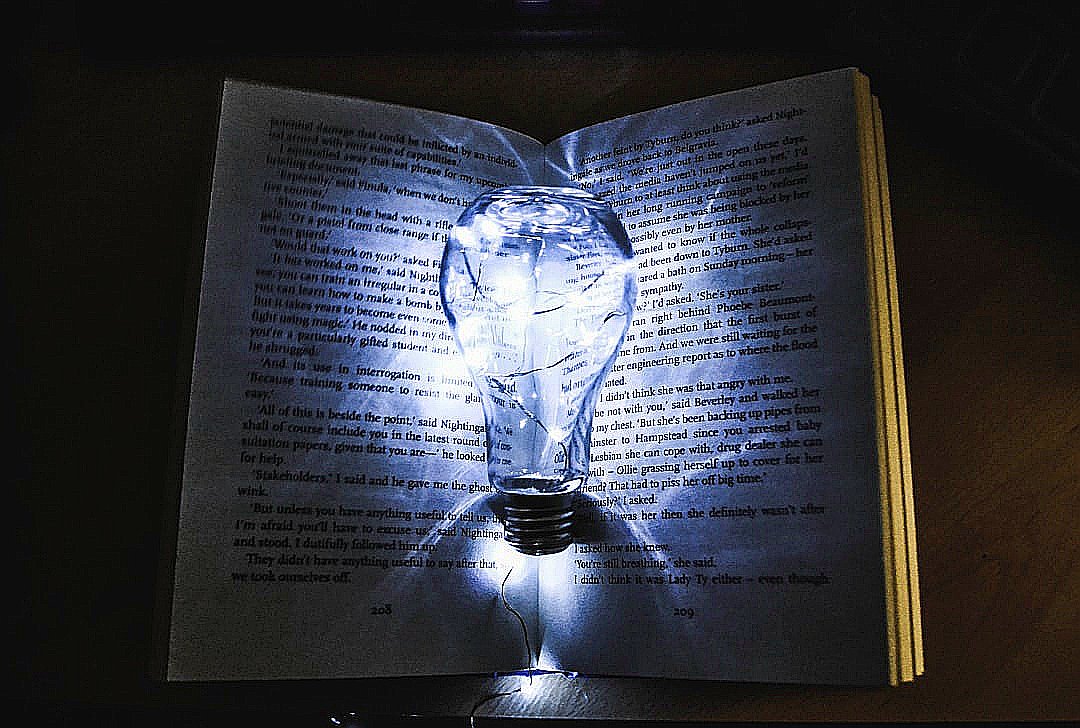
Imagine a light bulb that doesn’t just brighten your room but also preserves the world’s most controversial literature. It sounds like something straight out of a cyberpunk novel, but for hardware hackers and free-speech advocates, it’s becoming a reality. By repurposing the tiny, inexpensive chips inside ubiquitous Wi-Fi smart bulbs, DIYers are creating clandestine, decentralized libraries that are nearly impossible to track.
From Smart Light to Secret Server
The core of this project lies in the "smart" part of the bulb. Most modern Wi-Fi bulbs, especially those based on the ESP32 or similar microcontrollers, are essentially tiny computers with their own radio antennas and processors. Hackers like Richard Osgood have realized that these devices can do much more than dim the lights. By flashing custom firmware, a cheap bulb can be transformed into a standalone Wi-Fi access point.
Once connected, the bulb serves a simple web interface hosting a library of e-books. Because the bulb has its own storage and generates its own local network, it doesn't need an internet connection to work. This creates a "dead drop" for digital information that hides in plain sight, screwed into a standard lamp socket.
The Dark Side of Ubiquity
While the security world often warns about the "dark side" of smart lighting—pointing out how these devices can leak Wi-Fi passwords or act as entry points for network attacks—this project flips that vulnerability on its head. In this context, the inherent "hackability" of IoT devices becomes a feature for censorship resistance.
Organizations like the American Library Association highlight the growing frequency of book bans, and this tech offers a high-tech workaround. Because these bulbs are so common and inconspicuous, they provide a layer of physical stealth that a traditional server or even a USB drive lacks. A library hidden in a light bulb is effectively invisible to anyone not looking for its specific Wi-Fi signal.
A Bright Future for Decentralized Data
We are entering an era where data storage is no longer confined to the cloud or massive data centers. As IoT hardware becomes cheaper and more powerful, the potential for decentralized, community-driven information hubs grows. Whether it's for bypassing censorship or simply ensuring that knowledge remains accessible during an outage, the humble light bulb is proving to be a surprisingly powerful tool for enlightenment.
Sources
Media