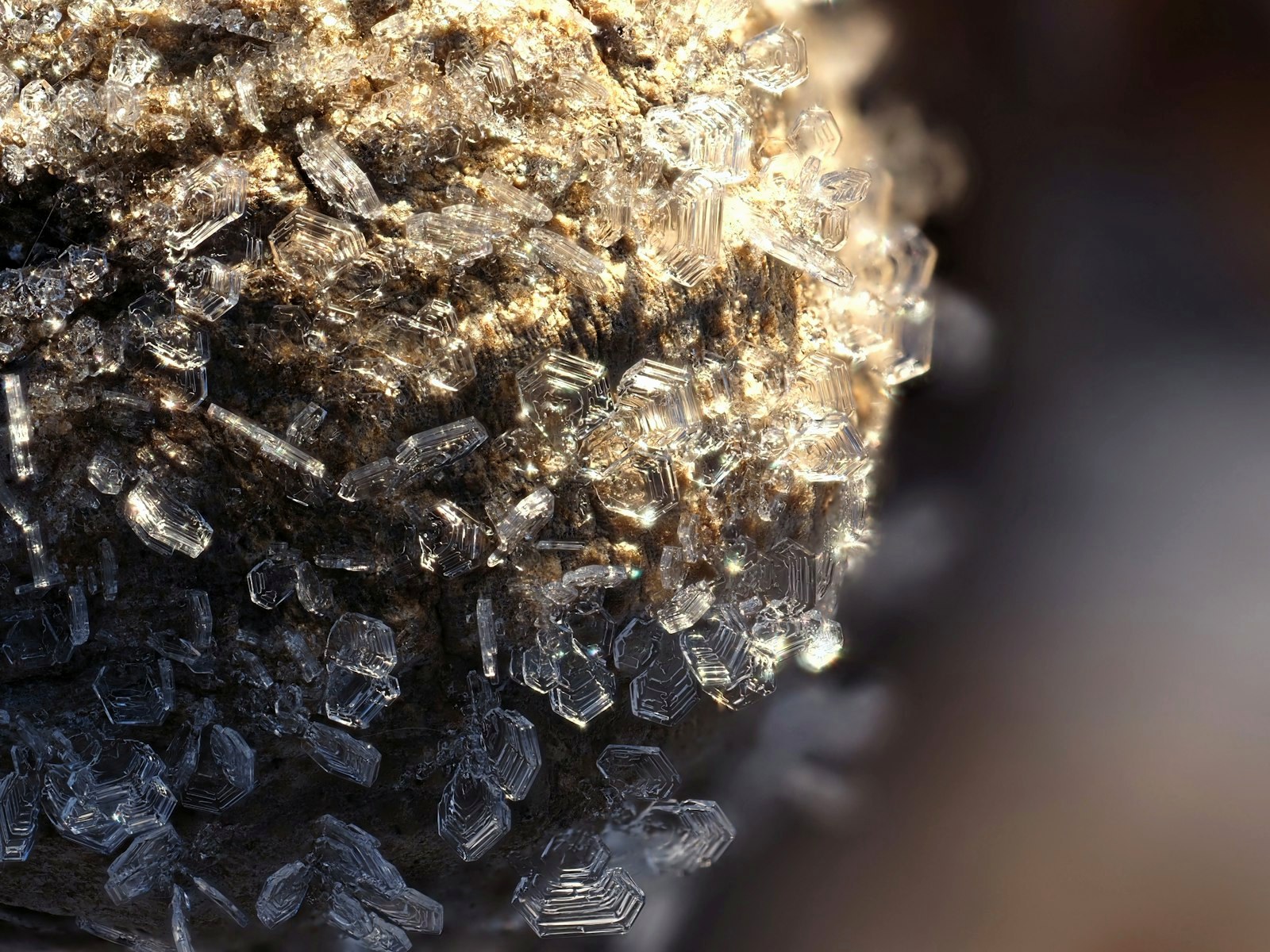
For decades, we've been taught that chemistry is the study of matter and its reactions—a world of bubbling flasks and complex formulas. But a provocative conceptual shift is gaining traction in the tech and science communities: the idea that chemistry isn't just influenced by geometry; it essentially is geometry.
Beyond the 3D Shape
We've always known that the 3D arrangement of atoms—molecular geometry—determines how a drug binds to a protein or why water behaves the way it does. But the new frontier is Chemical Reaction Network Theory (CRNT). Instead of obsessing over volatile rate constants, researchers are looking at the "topology" of the network itself. By analyzing the structure of these networks, scientists can predict stability, oscillations, and equilibrium points without needing every single piece of numerical data.

The AI Catalyst
This shift from "arithmetic" to "geometry" is a game-changer for AI-driven molecular discovery. If chemical interactions can be framed as geometric problems, we can move away from brute-force simulations and toward structural mapping. By treating molecules as geometric objects in high-dimensional space, AI can more efficiently navigate the vast landscape of potential new materials and medicines, spotting patterns that traditional chemistry might miss.
As we stop viewing reactions as mere lists of ingredients and start seeing them as geometric architectures, we aren't just changing how we do chemistry—we're changing how we define it.
Sources
Media