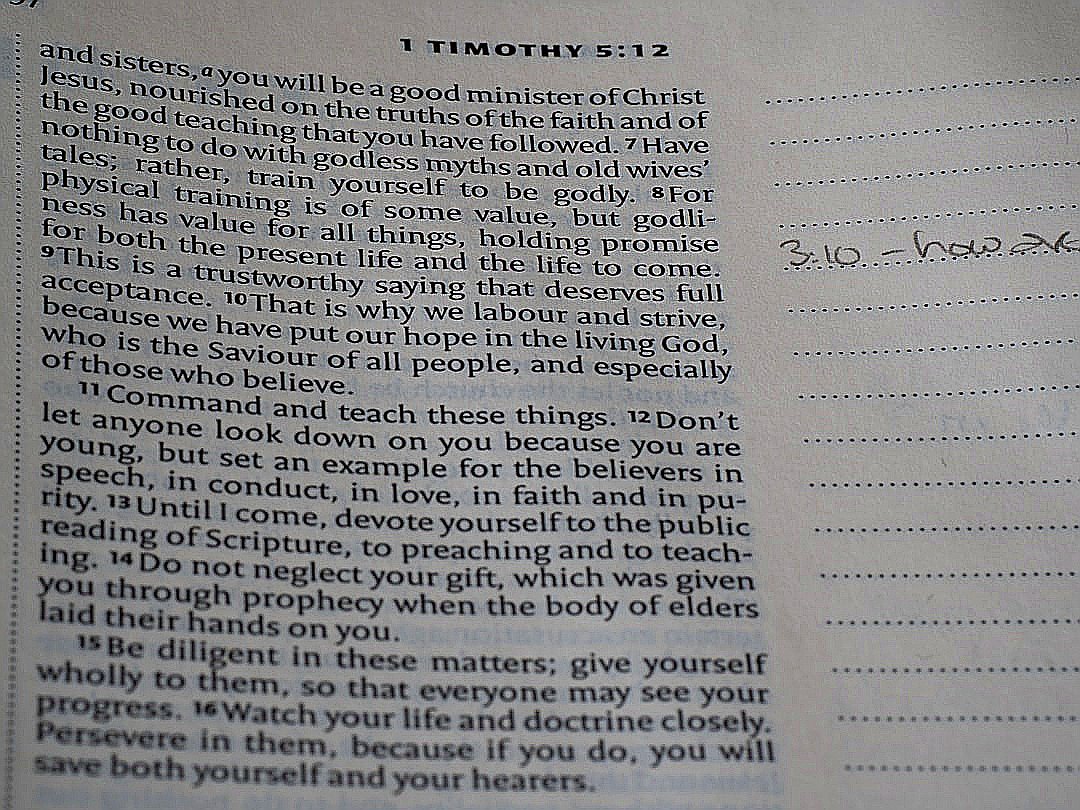
For centuries, seeking spiritual wisdom meant walking into a church and sitting in a pew. But today, the "still small voice" is increasingly coming from a smartphone. In a massive cultural shift, new research shows that half of all U.S. Christians now trust artificial intelligence for spiritual advice, signaling a major disruption in traditional religious authority.
The Digital Pulpit
According to a recent nationwide study by the Barna Group, the divide between the pulpit and the processor is narrowing fast. While 50% of Christians overall trust AI for spiritual guidance, more than a third (34%) say advice from a Large Language Model is just as trustworthy as what they’d get from a flesh-and-blood pastor.
This isn’t just a fringe movement; it’s a generational takeover. The share of believers who view AI as a peer to human clergy rises significantly among younger demographics. For Gen Z, 39% grant AI the same authority as a pastor, and that number jumps to a staggering 44% for Millennials. For these digital natives, the algorithm isn't just a search engine—it's a mentor.
Authority Without the Institution
Why the sudden pivot to Silicon Valley for soul-searching? For many, it’s about accessibility and the removal of institutional gatekeepers. AI provides instant, personalized answers to complex theological questions without the perceived judgment or scheduling conflicts of a traditional church setting. It allows believers to bypass the "middleman" of established religious structures.
However, this trust has a clear ceiling. The data reveals that even those using AI are wary of its limitations. About 83% of practicing Christians worry about AI misinterpreting sacred scripture, and 72% expressed concern about machines eventually replacing the role of human spiritual leaders altogether.
We are witnessing a "Deus ex machina" moment where technology is no longer just a tool for the church, but a potential competitor for the soul. As these models become more sophisticated, the question isn't just whether they can recite the Bible, but whether they can truly offer empathy. For now, the digital and the divine are coexisting—but the traditional pastor's monopoly on wisdom is officially over.
Sources
Media