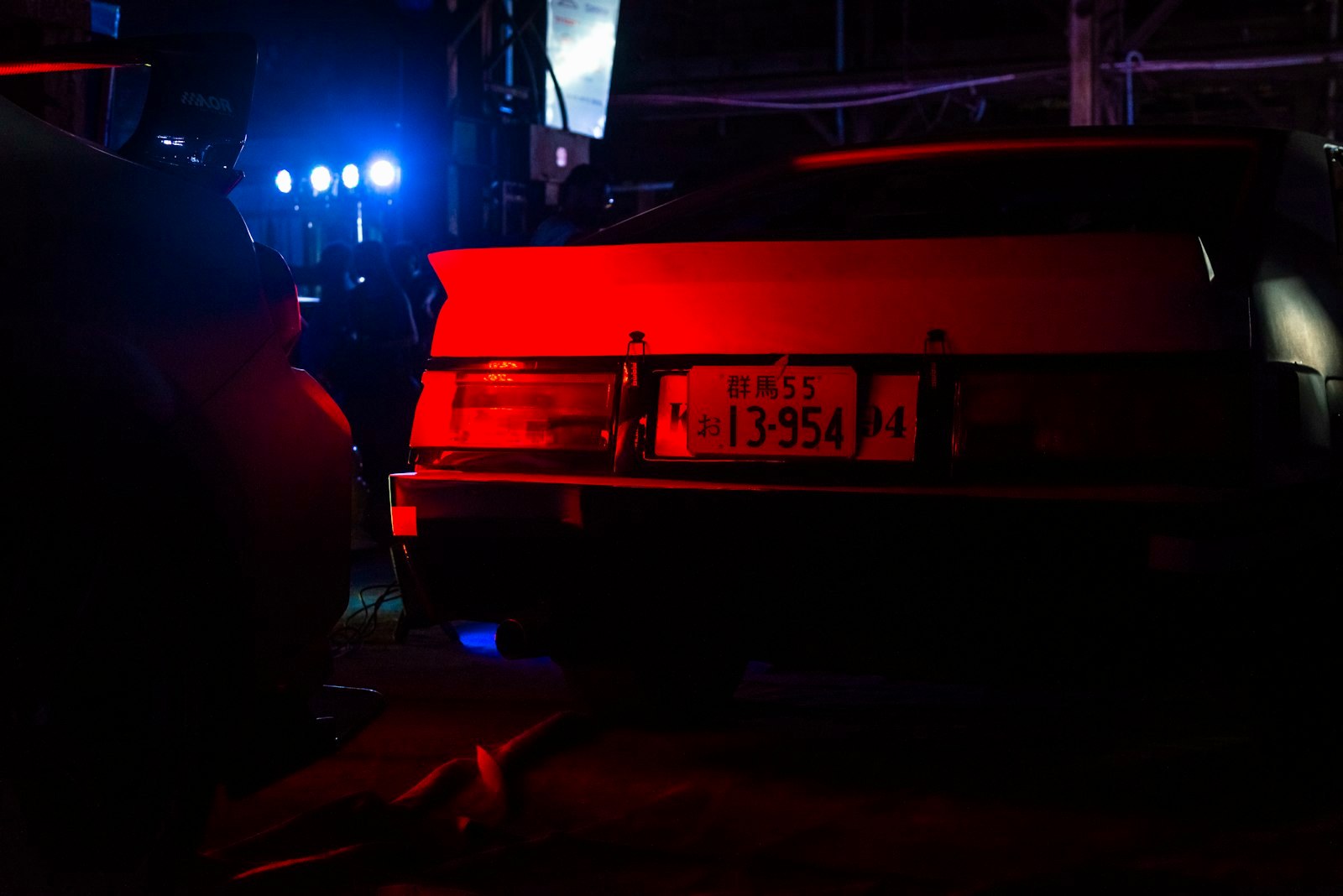
Imagine owning a 1994 Jeep Cherokee—a rugged classic that predates the modern OBD2 diagnostic ports we take for granted today. When Muhammad Zulali’s Jeep repeatedly failed California’s notoriously strict smog tests, he faced a wall: no compatible scan tools and a legacy ECU that spoke a forgotten language. Instead of giving up, he turned to a $3 Arduino Nano and the cutting edge of AI.
From Raw Data to Diagnostics
Zulali didn't have a manual for the Jeep's ancient engine computer, so he wired the Arduino Nano directly to the ECU to sniff the data. He then fed the resulting raw hex dumps into Claude Code and Codex.
Over the course of a week, the AI agents didn't just read the data; they reverse-engineered it. They identified fault codes and live data streams in real-time, effectively building a custom diagnostic tool from scratch. The result? A clear picture of why the vehicle was failing emissions.
Passing the Smog Test
This wasn't just a theoretical exercise in coding. By using the AI to pinpoint the exact issues and control the system, Zulali was able to fix the underlying problems and get his 32-year-old ride to pass the California smog test.
What makes this viral moment significant isn't just the victory over a smog check—it's the demonstration of LLMs moving beyond text generation and into complex hardware interfacing. We are seeing a shift where AI can act as a bridge between modern software and legacy hardware that was designed long before the internet era.
The Future of Legacy Tech
This project proves that the "black box" of old electronics is opening. Whether it's vintage cars, industrial machinery, or obsolete medical equipment, the combination of cheap microcontrollers and AI agents is turning every enthusiast into a master reverse-engineer.
Sources
Media