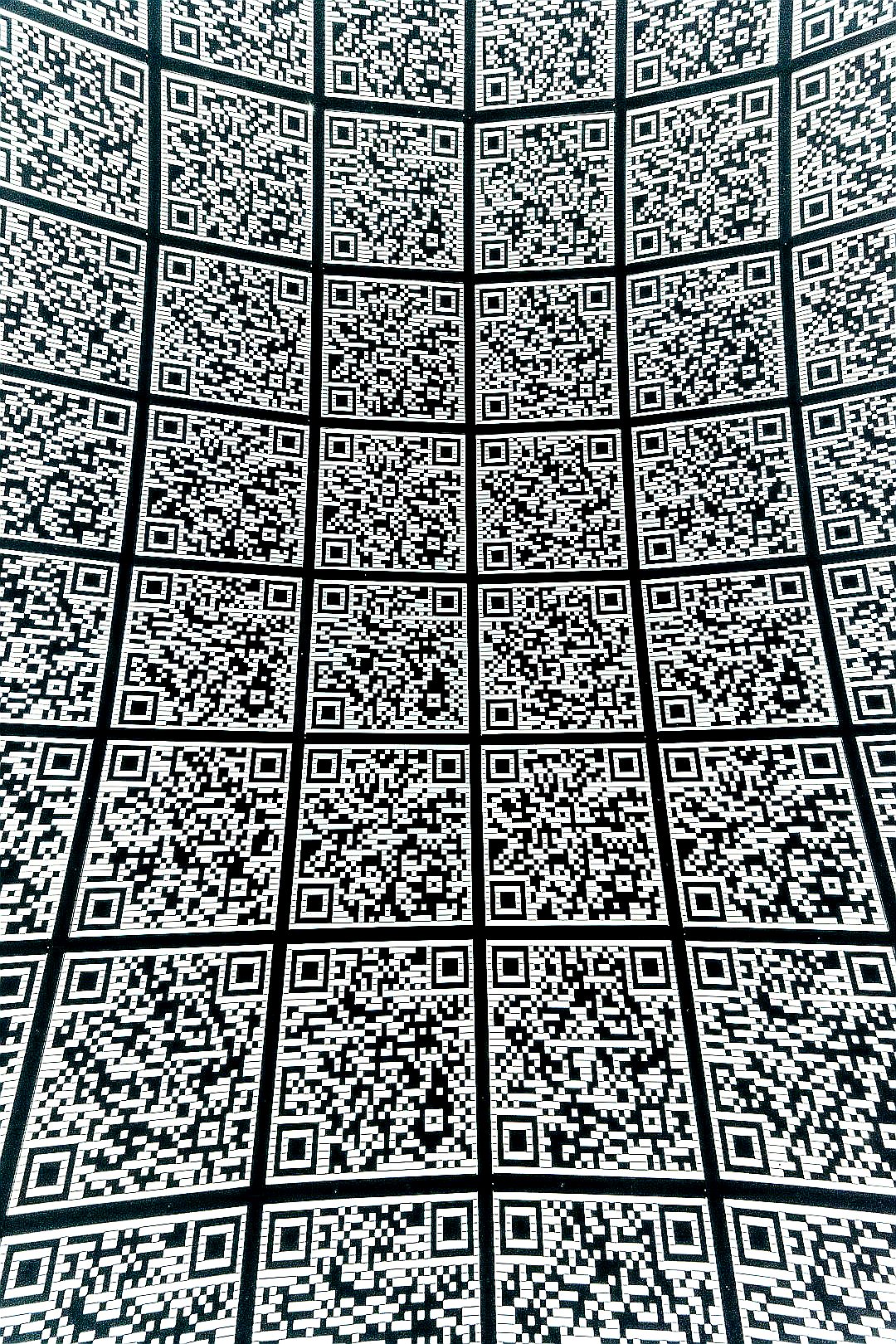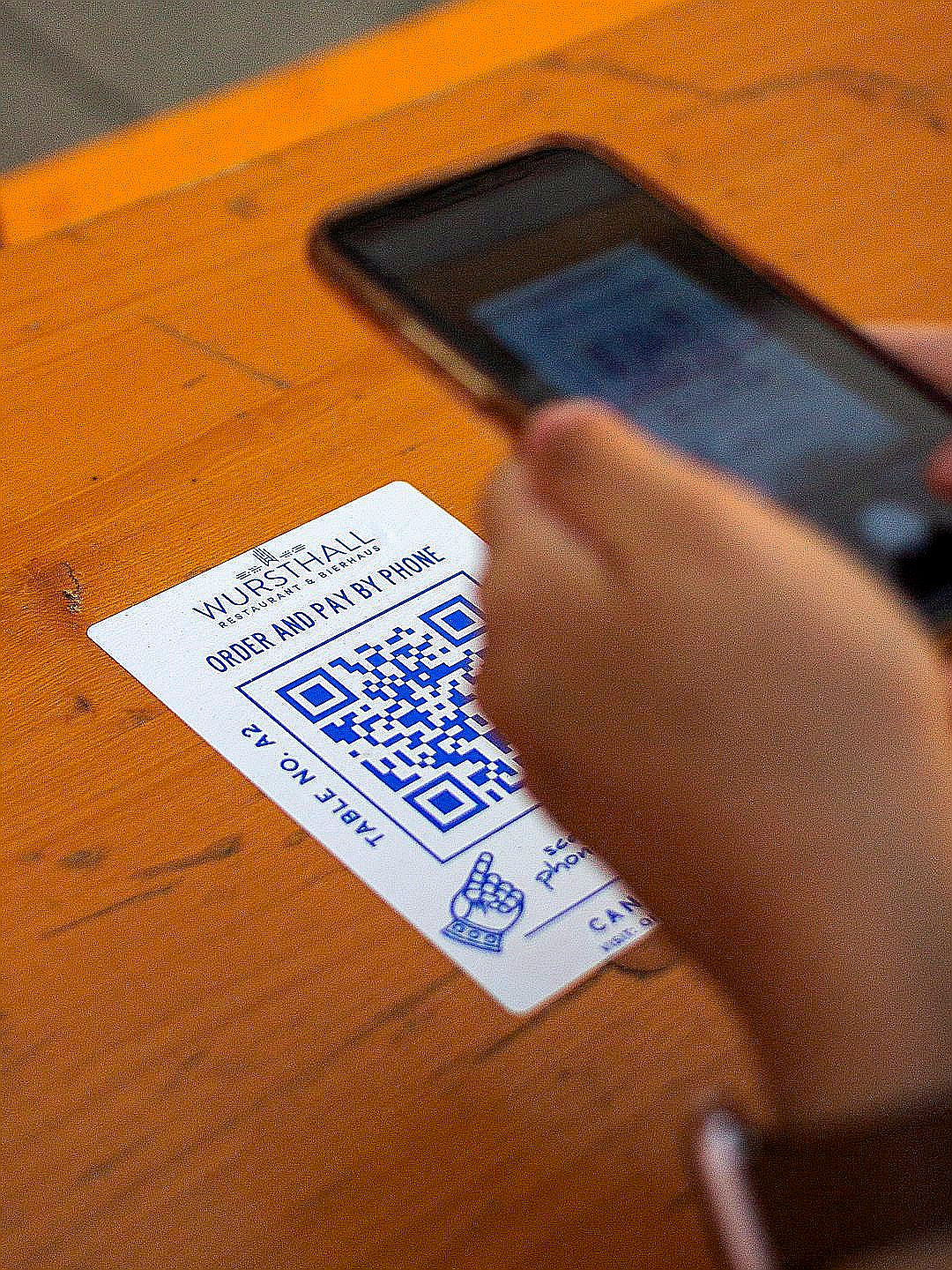
Let’s be honest: the standard black-and-white QR code is a bit of an eyesore. It’s functional, sure, but it’s the digital equivalent of a beige wall. For years, we've settled for slapping a tiny logo in the center and calling it 'branded.' But a new wave of experimentation is turning these sterile grids into actual art through a technique known as dithering.
The Magic of the 'Wiggle Room'
How do you turn a rigid data matrix into a photograph of a statue or a landscape without breaking the link? The secret lies in the tolerance of QR scanners. As developers like John D. Cook have noted, you can actually shrink the black squares in a QR code by up to a factor of three while keeping the code usable.
This creates a surprising amount of 'wiggle room.' By leveraging dithering—a process that creates the illusion of grayscale using only black and white dots—developers can blend an image directly into the QR structure. The scanner still sees the necessary dark clusters to decode the URL, but the human eye sees a stylized image.
From Codeberg to Rust
This isn't just a theoretical exercise; the tools are already here. From Andrew T.’s web-based generator to Rust-based command-line tools like dither-qr, the barrier to entry is plummeting. We're seeing everything from halftone noise patterns to high-contrast photographic renders that function as fully scannable portals. It transforms the QR code from a utility into a visual hook that actually encourages people to scan.
The Future of Scannable Art
We are moving toward a world where data encoding doesn't have to look like a barcode. While we've seen 'artistic' QR codes before, dithered versions offer a more organic integration of imagery. As these generators become more refined, expect to see them move from GitHub repos to high-end fashion campaigns and street art, blurring the line between a graphic design piece and a functional hyperlink.
Sources
Media