Imagine this: You receive a ticket, copy the description into Claude Code, and paste the result into your repo without reading a single line. A reviewer leaves feedback? Copy-paste that back to the AI. Repeat until it merges. Congratulations—you've just become a 'meat proxy.'
In the age of agentic AI, we're seeing a disturbing trend where humans aren't actually doing the work; they are simply acting as the biological bridge between an AI and a system that doesn't yet have an API for the AI to use.
The Hollow Professional
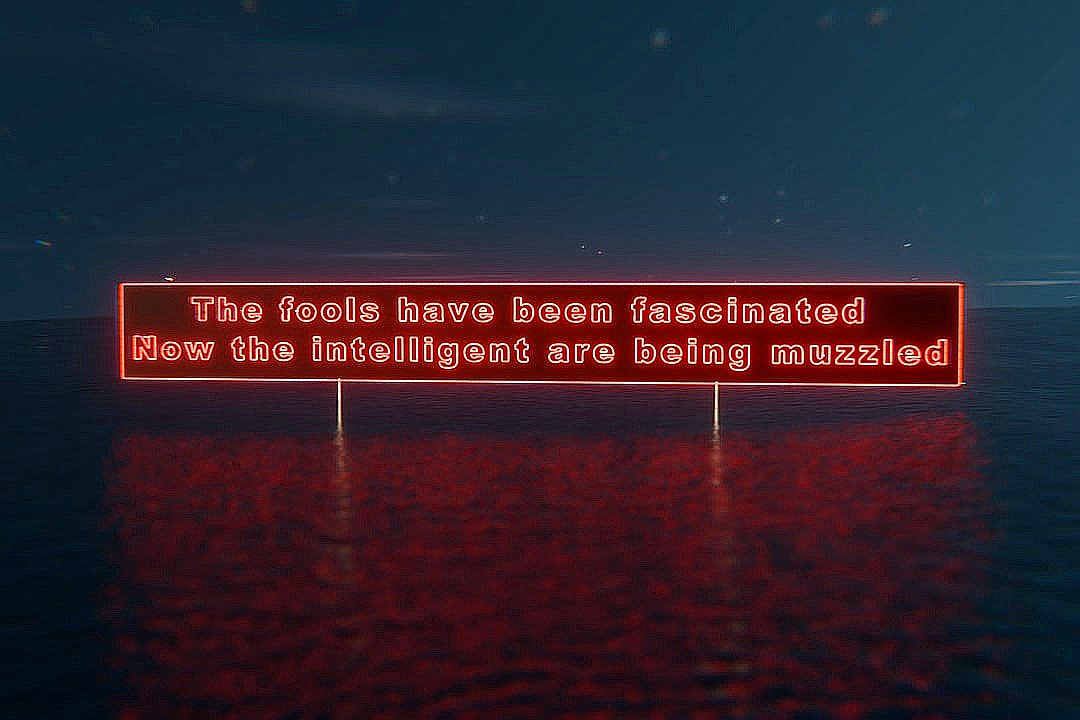
Being a meat proxy is more than just laziness; it's a fundamental shift in how we interact. When you act as a proxy, you aren't reasoning; you're routing. This creates a strange, uncanny valley in professional relationships. When you talk to a 'meat proxy,' you realize there is no human reasoning on the other end. You're talking to an LLM through a human skin-suit, and the lack of genuine human agency makes the interaction feel empty and robotic.

The Path to Full Autonomy
Historically, 'meat proxying' was the frustration of consultants who had to tell a sysadmin every single git pull because they lacked credentials. Now, the roles have flipped. The AI is the consultant, and the human is the sysadmin with the credentials.
But this is a transitional phase. If your only value-add is clicking 'Apply' on a suggestion you didn't read, you aren't a developer or a manager—you're a manual interface. As AI agents gain more autonomy and direct access to tools, the need for a biological middleman vanishes.
The Choice
We are at a crossroads. We can either lean into the void and become high-latency interfaces for software, or we can reclaim the 'reasoning' part of our jobs. Don't let your career become a series of copy-paste commands. The goal isn't to be the bridge; it's to be the architect.
Sources
Media