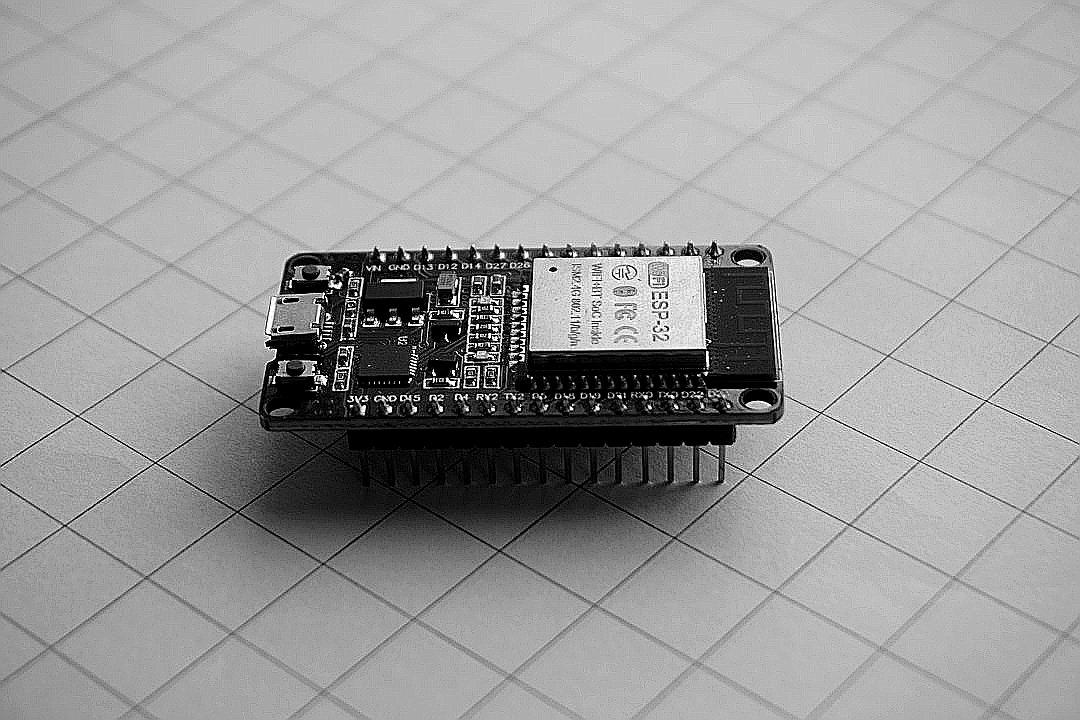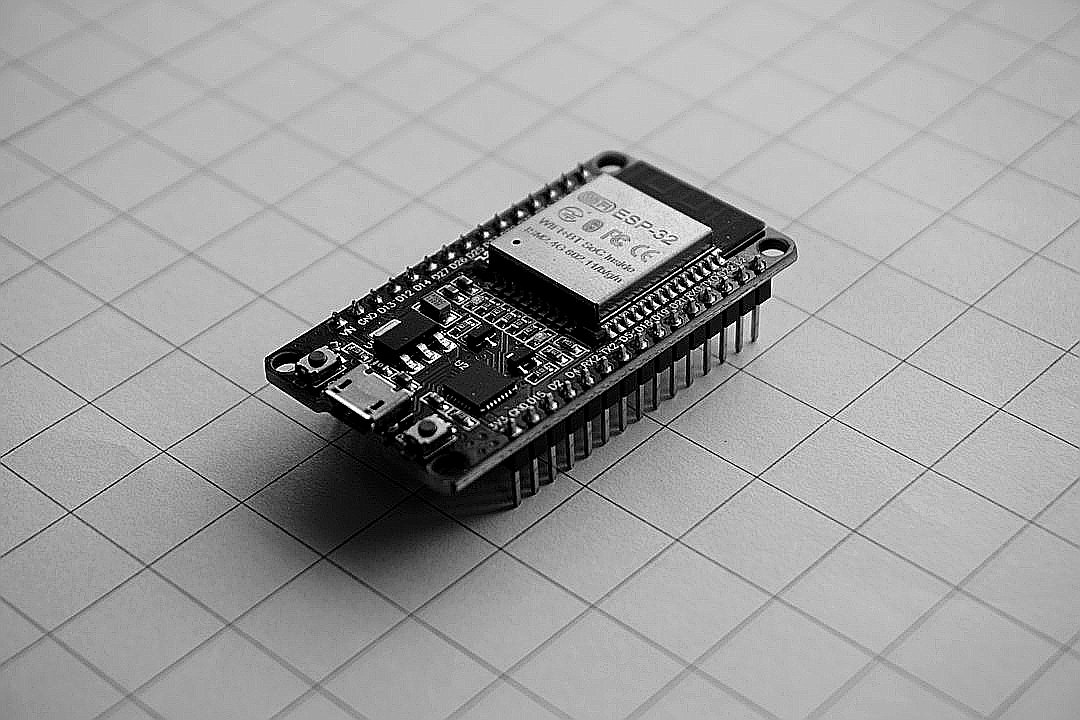
Imagine running a Large Language Model not on a massive H100 GPU cluster, but on a handful of chips that cost less than ten dollars each. It sounds like a fever dream for embedded engineers, but it's actually happening. A developer has successfully deployed a 0.4B parameter LLM across a 7-node ESP32-S3 cluster, pushing the boundaries of what we consider 'the edge.'
The Magic of 1.58-Bit Quantization
The secret sauce here is BitNet b1.58. While traditional models use 16-bit floating point numbers for weights, BitNet uses ternary quantization. This means weights are restricted to just three values: -1, 0, and 1.
By reducing the precision to effectively 1.58 bits, the memory footprint collapses. This allows the model to fit into the limited flash and RAM of a microcontroller, replacing power-hungry multiplications with simple additions and subtractions. It's a radical shift in efficiency that makes local AI viable on hardware that usually struggles to run a basic web server.
Scaling Out with SPI Daisy-Chains
Even with BitNet, a single ESP32-S3 doesn't have the muscle to handle a full LLM alone. The solution? A cluster. By linking seven ESP32-S3 nodes via an SPI daisy-chain, the project distributes the workload across the cluster.
This setup transforms a collection of low-power microcontrollers into a collaborative brain. While it's not going to replace GPT-4, it proves that the 'extreme edge' is capable of natural language processing without needing a constant cloud connection or a massive power supply.
A Glimpse into the Future
This experiment is a proof-of-concept for a world where AI is truly ubiquitous. If we can run quantized models on $5 chips, we're looking at a future of smart home devices and industrial sensors that can actually 'reason' locally, privately, and with almost zero energy overhead.
Sources
Media