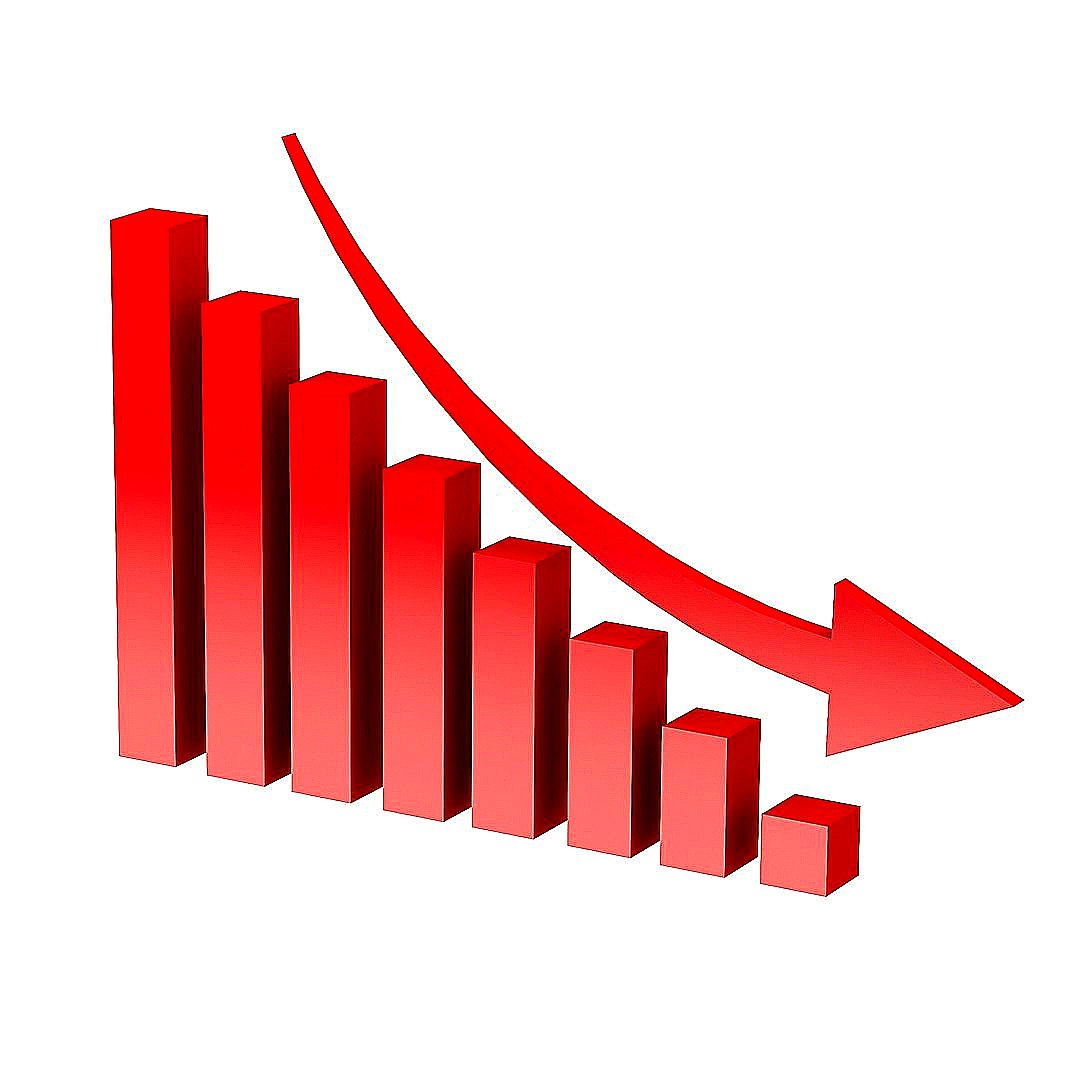
For centuries, the mathematical world operated on a simple, unspoken deal: mathematicians provided the world with new concepts, and in exchange, the "theorem" served as their currency. Proving a theorem was how you got tenure, built a reputation, and put bread on the table. But according to a growing chorus of critics, most notably mathematician David Bessis, that "theorem economy" is currently in a state of total collapse.
The Hyperinflation of Proofs
The problem is a pathological obsession with priority. In the current academic system, being the first to prove a result is everything. However, as automated verification tools and AI systems like Lean become more sophisticated, the "cost" of producing a proof is plummeting. We are entering an era of theorem hyperinflation.
Bessis argues that while the "hard work" of math actually happens when we’re trying to make sense of existing results—building the mental models and intuitions that allow us to use them—the system only rewards the final stamp of approval. If AI can achieve "problem-solving supremacy" by churning out formal proofs that humans can’t easily parse, the traditional proof loses its utility as a vehicle for human understanding.

Solving Problems vs. Building Concepts
There is a chilling possibility on the horizon: AI might destroy mathematics while barely touching it. If an AI can prove a conjecture but cannot explain the "why" behind it, we are left with a pile of verified facts but no increased wisdom. Bessis points out that AI provers often fail to convey the human-usable intuitions that make a theorem valuable in the first place.
We’re seeing a divergence between "problem-solving" and "concept-building." If we continue to value only the former, we risk a future where the academic machine produces millions of verified theorems that no human actually understands. If I luck out with the intrinsic randomness of attribution, my name might be on a theorem, but does that matter if the theory behind it is hollow?
A Search for Meaning
If the theorem is no longer the gold standard, what is? The focus may have to shift back to the "soft" side of math: the creation of frameworks, the synthesis of ideas, and the development of pedagogical beauty. The fall of the theorem economy might actually be a good thing if it forces us to stop treating math like a competitive sport and start treating it like a search for meaning.
Sources
Media