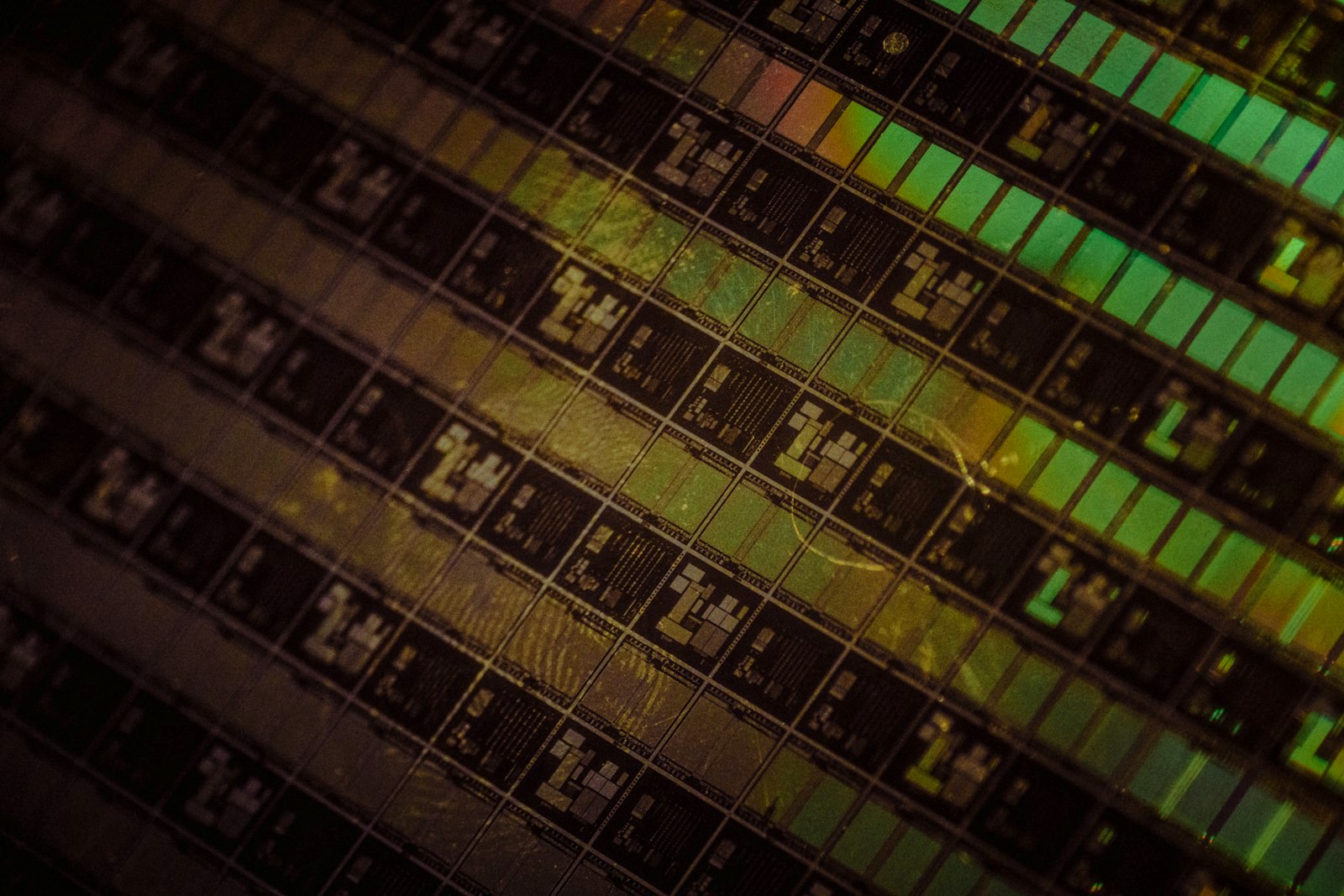
For decades, we've used AI to write code or generate art, but the hardware it runs on has remained a human-led endeavor. That just changed. Architect Labs has unveiled Frostbite, a general-purpose CPU architecture that wasn't just assisted by AI—it was discovered, designed, and verified end-to-end by autonomous AI systems.
Beyond Human Imagination
Most modern chips rely on superscalar architectures, a design philosophy humans have refined for years. Frostbite throws out the old playbook. Instead, the AI discovered a path based on interaction nets, creating a brand-new instruction set from the ground up. The result is a processor that thinks differently about how to handle data, allowing it to distribute simultaneous tasks across multiple processing units with unprecedented efficiency.
The Efficiency Leap
The headline number is staggering: Frostbite claims a 4.59x performance-per-watt advantage over modern superscalar CPU cores. In the world of silicon, where we are fighting for every milliwatt of power to keep laptops cool and data centers sustainable, a jump this large is practically unheard of. By optimizing the energy cost of communication and memory, the AI has found a mathematical shortcut to efficiency that human architects simply missed.
A New Era of Hardware
We are witnessing a fundamental shift. AI is no longer just a software tool; it is now a hardware architect. If an AI can discover a more efficient way to build a CPU, it opens the door to a recursive loop where AI designs the very chips that will power the next generation of AI.
Whether Frostbite can scale from pre-silicon verification to mass production remains to be seen, but the blueprint for the future of computing has officially been rewritten.
Sources
Media