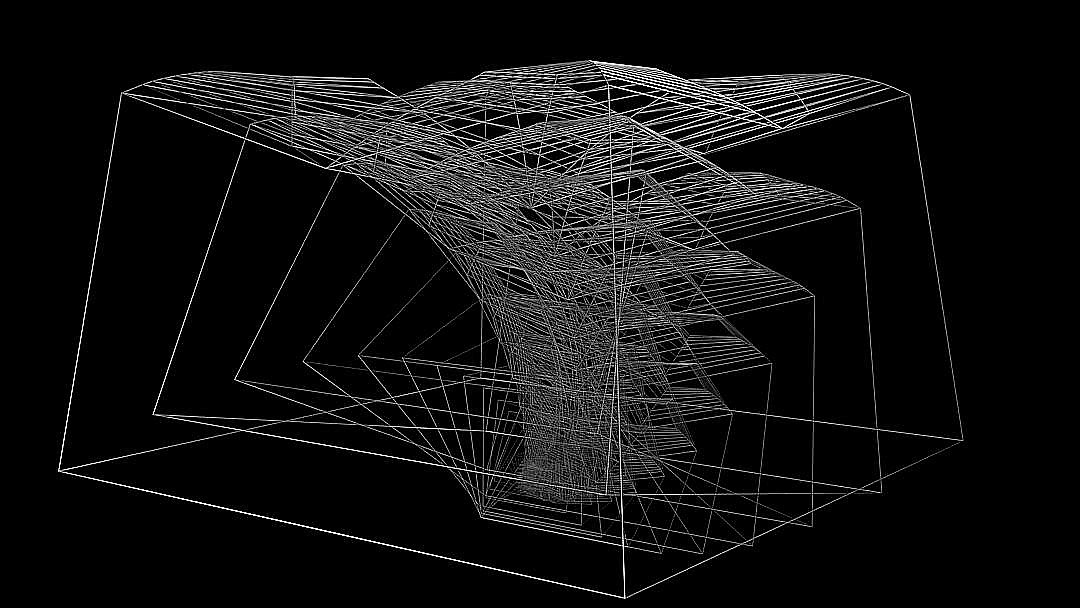
For years, AI in 3D design has been a bit of a tease. We've had stunning renders and impressive meshes, but for actual architects and engineers, a pretty picture isn't enough. You need a model you can actually edit—something with precise, parametric logic. Enter GrassLobster and the rise of 'Agentic CAD.'
From Static Prompts to Active Agents
Most AI tools work on a 'prompt-and-pray' basis: you ask for a chair, and it gives you a static file. GrassLobster flips the script by integrating an AI agent directly into Grasshopper, the industry standard for parametric design. Instead of just generating a final shape, the agent builds the workflow.
It’s the difference between buying a cake and having a chef build you a custom recipe. You describe your idea, the agent guides the process by arranging the logic nodes, and you refine the geometry in real-time. Because it produces NURBS geometry rather than a simple mesh, the results are manufacturable and fully editable.
The Shift Toward Agentic Engineering
This isn't just a niche plugin; it's part of a broader shift toward Agentic-CAD. We are seeing a move away from simple LLM chat interfaces toward frameworks that can actually use tools, plan complex steps, and execute code.
By automating the tedious parts of script creation, these agents allow designers to focus on high-level intent rather than fighting with node connections. Whether it's for mechanical engineering or complex architectural facades, the goal is the same: turning natural language into precise, mathematical reality.
The Future of the Digital Workbench
We are moving toward a world where the 'designer' acts more like a creative director, guiding an army of specialized agents to iterate through thousands of structural permutations in seconds. As these workflows become more production-ready, the barrier between a rough sketch and a factory-ready CAD model is practically vanishing.
Sources
Media