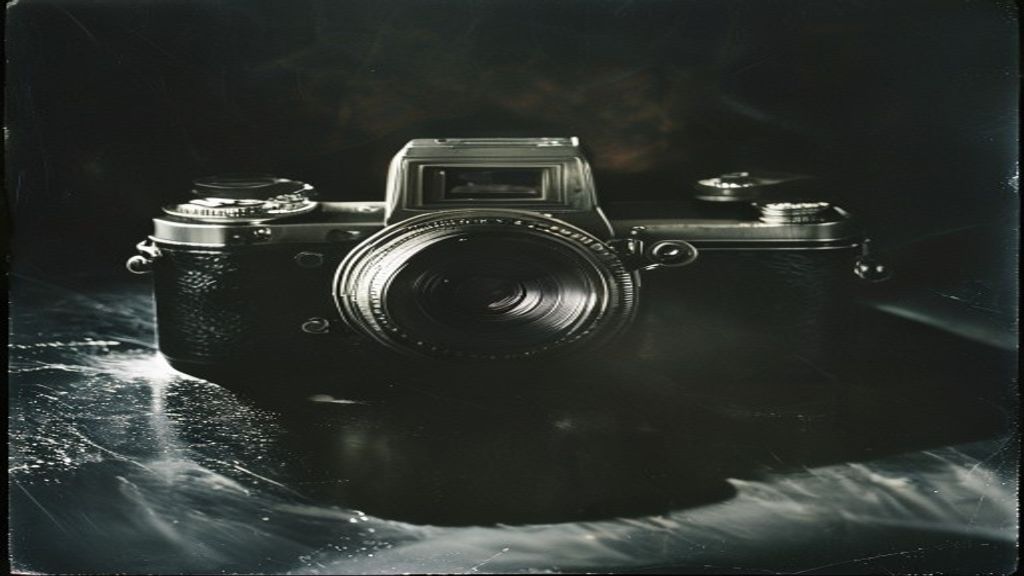
If you’ve spent any time on tech forums lately, you might have seen a peculiar, jittery image that feels like it’s popping out of your screen. No, your graphics card isn't dying. You’ve just encountered a "wigglegram." This vintage stereoscopic trick—once the domain of niche 80s film cameras—is making a massive comeback thanks to a new wave of DIY hardware and computational cleverness.
The New Hardware Hackers
For a long time, if you wanted that signature 3D shimmy, you had to hunt for rare four-lens film cameras like the Nimslo or Nishika. Not anymore. Modern makers are building dedicated digital rigs like the K4MERA, which uses a built-in image processing pipeline to align four shots and build a wigglegram in seconds.
The scene is buzzing with innovation. At the Open Sauce ’23 event, developer [scealux] debuted a custom-built lens for the Sony A7R3 featuring variable aperture and high-speed focus specifically for stereoscopic capture. Meanwhile, on Reddit, the community is sharing sub-$100 DIY digital solutions, proving that you don't need a professional budget to break into the third dimension.
From Vintage Cards to iPhone Apps
It’s not just about the hardware; the software side of the "wiggle" is booming too. Web-based tools like wigglegrams.com allow users to generate these loops with just a few clicks. For those looking to bridge the gap between eras, software like 3DWiggle is being used to convert century-old vintage stereo cards into modern, social-media-ready loops.
Even mobile photographers are getting in on the action. While apps like Wigglegram Maker have brought the technique to the iPhone, the transition hasn't been perfectly smooth—platforms like HelpMoji have recently seen a spike in users seeking fixes for common app bugs. Despite the occasional technical hiccup, the accessibility of these tools means that stereoscopic depth is no longer a gatekept secret of analog enthusiasts.
A Shimmering Future
Whether it’s a nostalgic nod to the past or a push toward more immersive digital storytelling, the wigglegram is proving that depth doesn't always require bulky VR headsets or dorky glasses. As computational photography gets smarter and DIY hardware becomes more accessible, expect your social feed to get a lot more... wiggly. The accidental wigglegram might just become an intentional staple of our visual culture.
Sources
Media