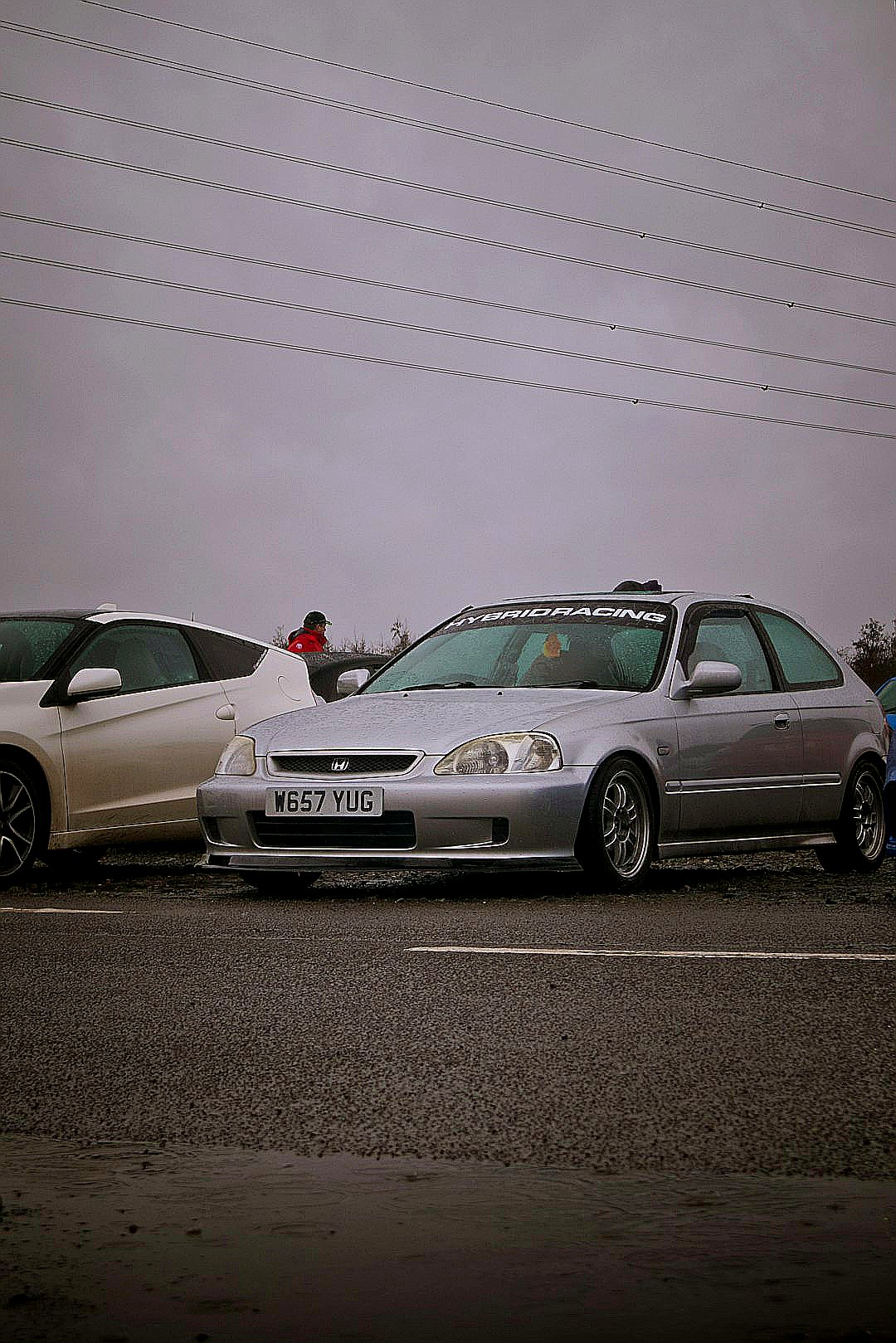
You hand over your keys, grab your ticket, and walk into the restaurant. It feels like a routine convenience. But in the world of cybersecurity research, you’ve just handed over the literal keys to your digital kingdom. This is the "Evil Valet" attack—a physical access threat model that suggests your reliable Honda Civic might be more vulnerable than you think.
While the "Evil Maid" attack is a well-known scenario involving compromised hotel rooms, the Evil Valet takes the threat to the parking lot. It’s a thought experiment that asks: what happens when a malicious actor has five minutes alone with your dashboard?
The Illusion of Physical Security
For years, car owners relied on the "valet key" as a security blanket. The idea was simple: give the attendant a key that starts the engine but keeps the trunk and glovebox locked. However, the modern Civic has moved away from this mechanical gatekeeping.
On 10th Generation Civics, for example, owners have noted a frustrating lack of locking storage. There is no locking glovebox and no locking trunk release. If a valet—or anyone with your fob—gains access to the cabin, they have unrestricted access to every physical item you’ve stashed away. But the physical theft of your sunglasses is the least of your worries in a high-stakes security model.

Firmware and the Digital Backdoor
The real concern lies in the "brains" of the car. Recent security discussions have highlighted a startling oversight: some 10th Gen Honda Civic firmware updates were signed using publicly available AOSP (Android Open Source Project) test keys. In the world of cryptography, this is like a bank using a "0000" passcode for its vault.
If a sophisticated actor (think a three-letter agency agent moonlighting at a hotel) gains physical access to your car’s head unit, they could theoretically push a malicious update. Because the system may not properly verify signatures against a private Honda key, it could accept compromised code. This could turn your infotainment system into a silent surveillance hub, tracking your GPS location or intercepting data from your synced smartphone.
A New Road for Privacy
The "Evil Valet" isn't a reason to panic during your next night out, but it is a wake-up call for the "smart car" era. As our vehicles become increasingly software-defined, the traditional boundaries of physical security are dissolving. When hardware trust is undermined by generic firmware keys, the person parking your car isn't just handling your commute—they might be accessing your life.
Sources
Media