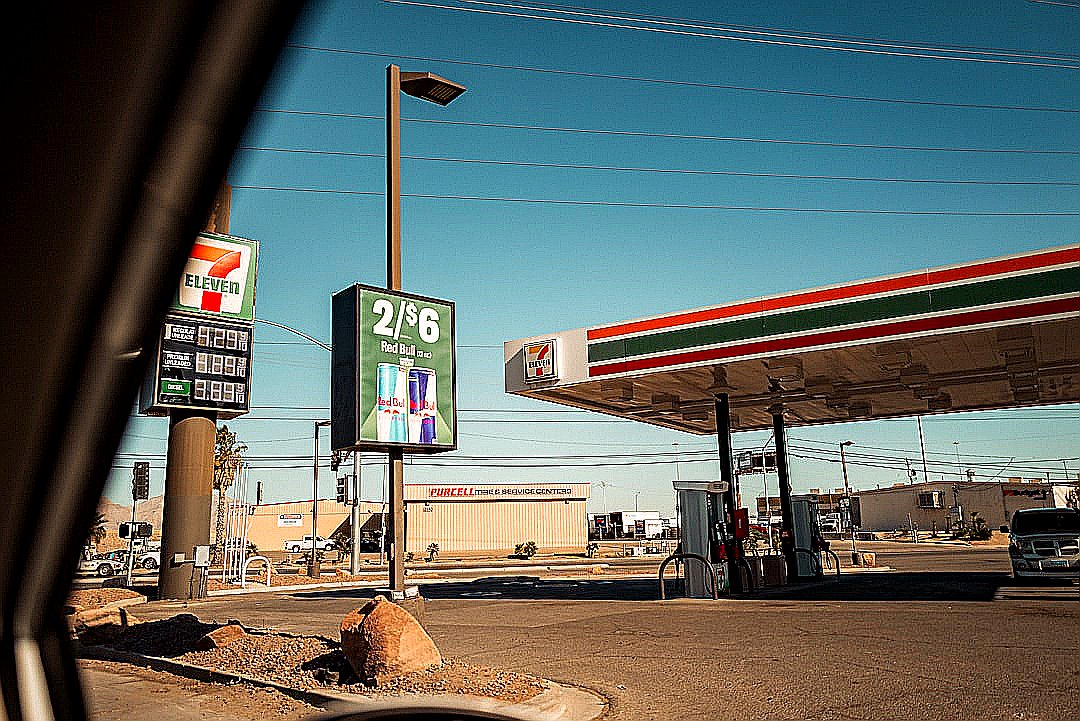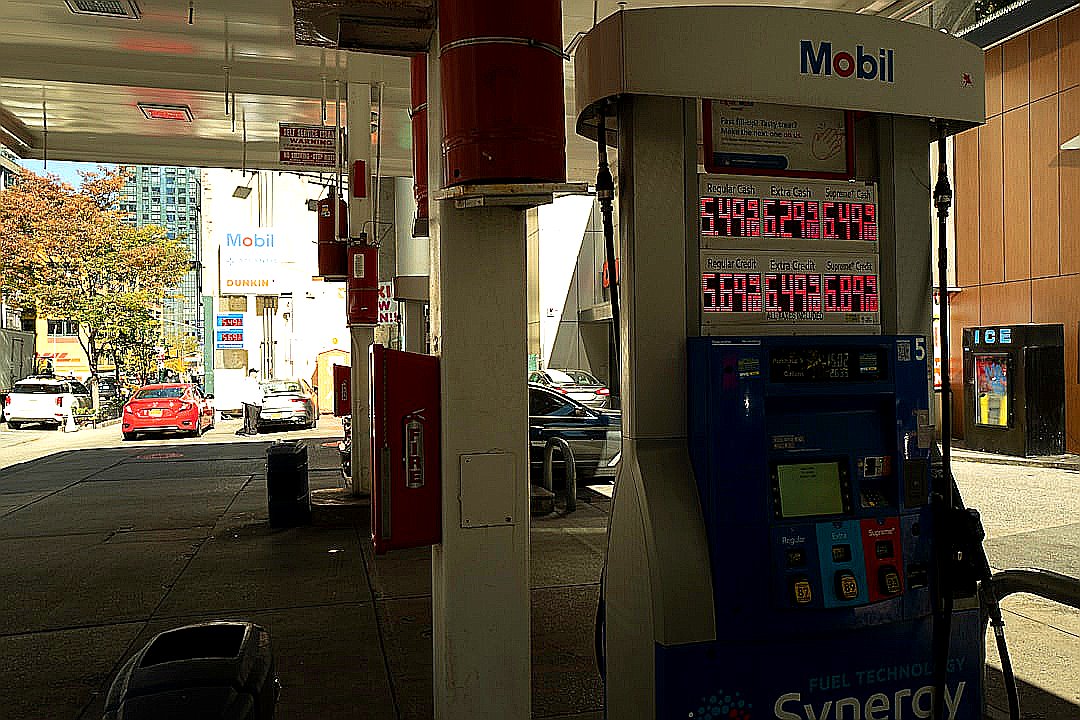
You probably don’t think much about the "Automated Tank Gauge" (ATG) when you’re filling up your car. But these niche, internet-connected sensors are the unsung heroes of fuel infrastructure, monitoring exactly how much gas is left in underground tanks across the country. According to recent reports, these sensors have become the latest target for cyberattackers, and US officials suspect Iranian hackers are the ones behind the wheel.
The "Open Door" Policy of Industrial Sensors
The scary part isn't just that these systems were breached; it’s how easily it happened. Many of these ATGs were connected to the web without even a basic password. It’s the digital equivalent of leaving your front door wide open with a neon sign saying "come on in." Hackers were reportedly able to access systems across multiple states, in some cases even tampering with the display readings that station owners rely on to manage their inventory.

Why Target a Gas Tank?
While it might seem small-scale compared to a massive power grid hack, targeting fuel infrastructure is a classic move in the "gray zone" of cyber warfare. By messing with tank readers, attackers can create confusion, disrupt supply chains, or cause logistical headaches for local businesses. US officials are leaning toward Iran as the culprit due to the country’s history of targeting similar systems, though they admit a lack of forensic evidence makes a "smoking gun" attribution difficult.
A Wake-Up Call for Niche Tech
This isn't just about gas; it’s a warning about the millions of "dumb" sensors we’ve made "smart" by connecting them to the web. As we move forward, the focus has to shift from just building connected tech to actually securing it. If a gas station reader can be manipulated from across the globe, what else is sitting unprotected on our networks? It’s time to change the default settings before the next breach hits closer to home.
Sources
Media