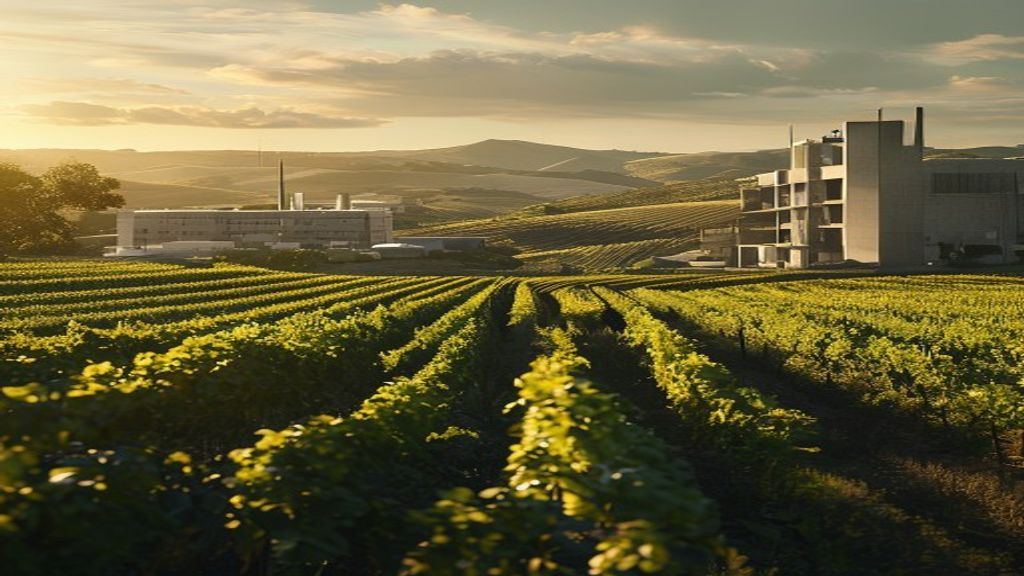
The AI boom isn’t just happening in the cloud; it’s putting a massive footprint on the ground. As tech giants scramble for land to house the servers powering our digital lives, the region of Lombardy, Italy—home to Milan—is drawing a very expensive line in the sand. To protect its fertile farmland, the local council has approved a staggering 200% tax on data center developments in agricultural and green zones.
Pay Up or Move In
The math is simple but brutal for developers: if you want to build on rural land, you pay a 100% tax. If you target protected agricultural soil, that tax jumps to 200%. According to reports from Il Sole 24 Ore, this isn’t just a cash grab; it’s a strategic nudge. Lombardy wants these power-hungry facilities to take over abandoned industrial sites—recycling "brownfield" areas instead of "greenfield" ones. By making it prohibitively expensive to pave over the countryside, Italy is betting that developers will choose the path of least resistance (and lower taxes) by revitalizing old factories.

The Ghost of Northern Virginia
Italy’s aggressive stance is a direct reaction to the "data center sprawl" seen in places like Loudoun County, Virginia. Known as "Data Center Alley," Loudoun has become the global hub for the industry, with over 200 facilities already approved and another 117 in the pipeline. While this has been a goldmine for tax revenue—Loudoun’s tax base recently surged by 19.5% to $170.5 billion—the sheer scale has sparked a significant backlash. Local officials there are now warning other regions to tighten zoning and regulations before the first server rack even arrives.
A Global Tug-of-War
This isn't just about aesthetics; it's about resources. From New York small businesses demanding moratoriums to protect tourism and agriculture to concerns over the massive water consumption required for cooling, the friction between AI growth and environmental preservation is heating up. While some industry advocates argue that blocking these centers could give global competitors a decisive advantage in warfare and drug discovery, Lombardy’s policy suggests a middle ground: you can build the future, but you can’t destroy the landscape to do it.
As the AI race accelerates, expect more local governments to use their tax codes as a shield. The message from Italy is clear: the cloud might be infinite, but the land is not.
Sources
Media