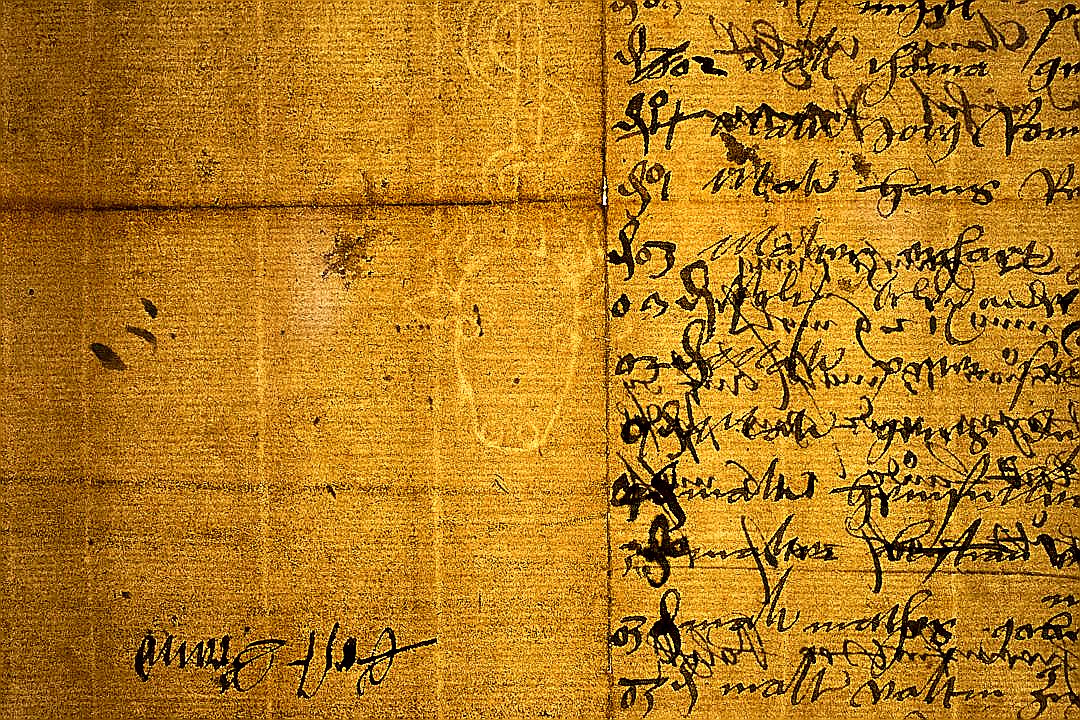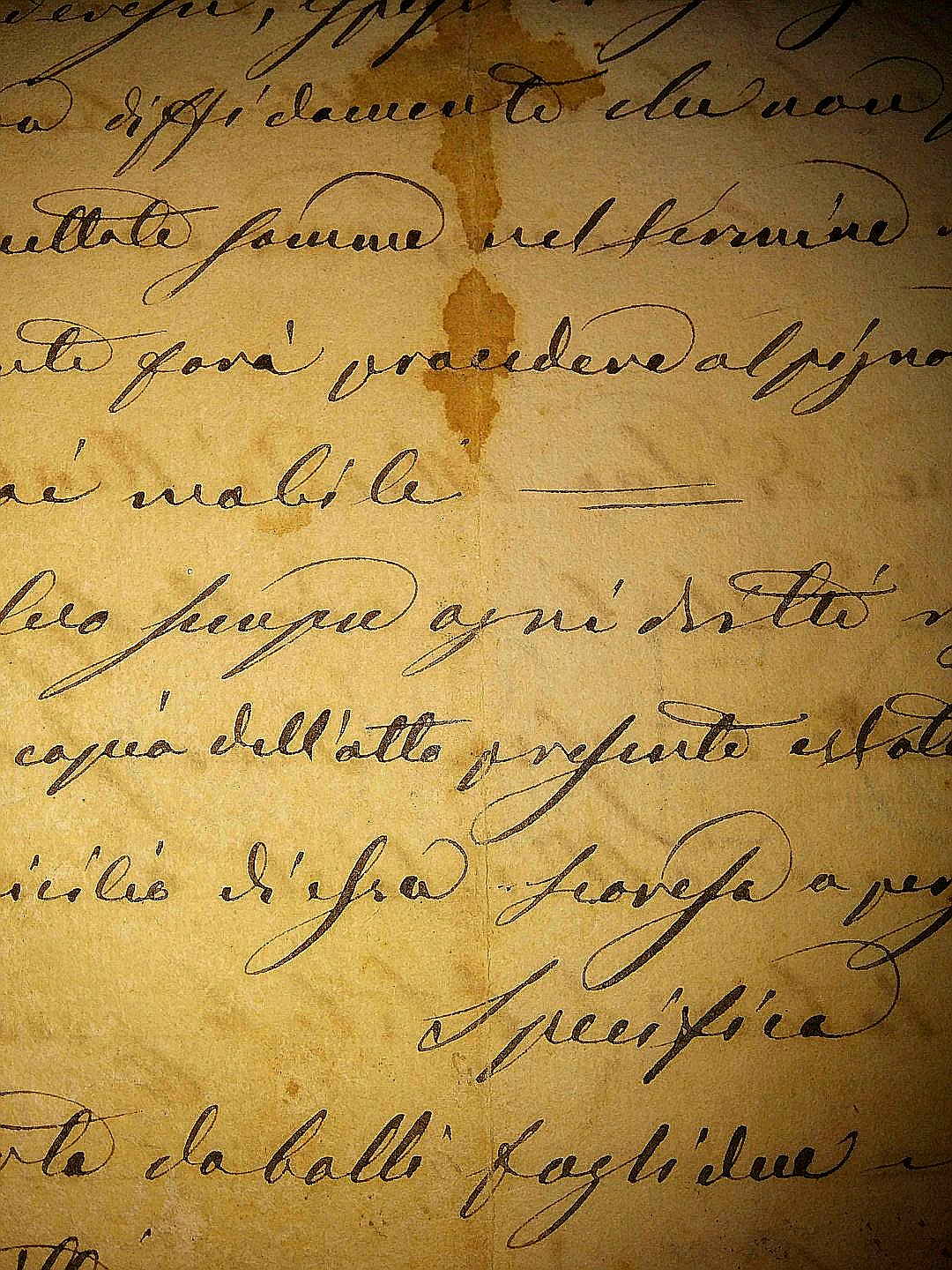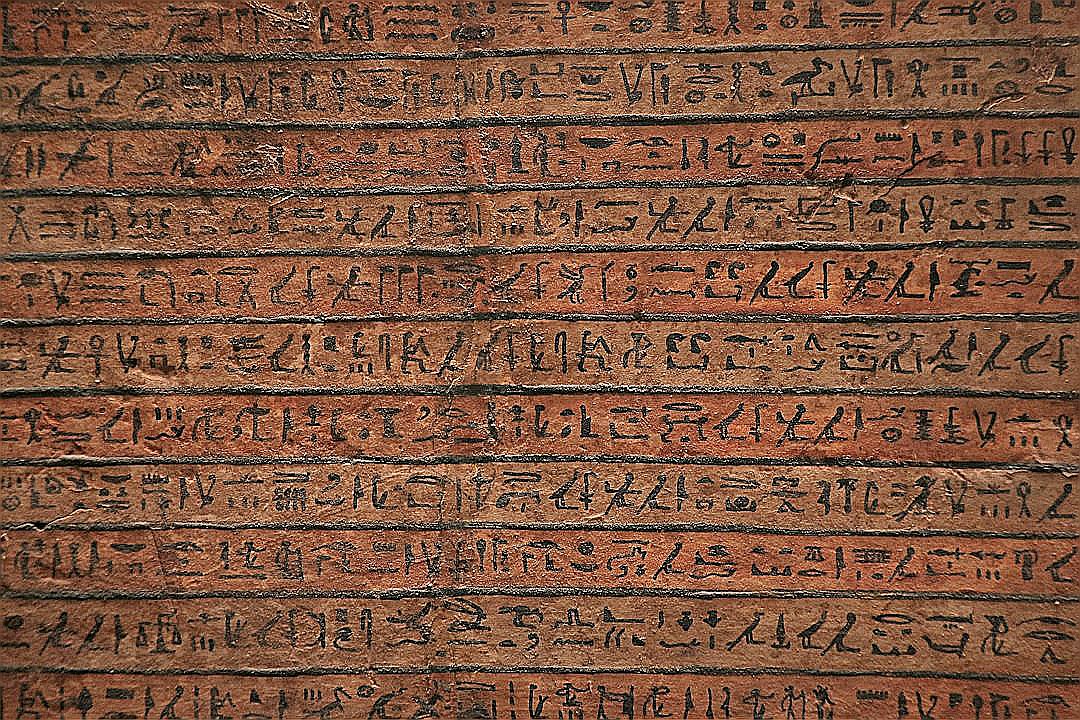
Imagine a dusty archive of 17th-century letters, filled with cryptic symbols, bizarre metaphors, and coded messages designed to hide the 'Great Work' of alchemy from the uninitiated. For centuries, these texts have been the playground of specialized historians and linguists. But now, a new player has entered the lab: the Large Language Model (LLM).
Cracking the Esoteric Code
Alchemists weren't just early chemists; they were masters of obfuscation. They used complex ciphers and 'decknames' to protect their knowledge. While traditional cryptanalysis handles simple shifts like the Caesar cipher, alchemical cognition is far more fluid and intuitive.
Researchers are now exploring how LLMs can trace these patterns of thought. By processing vast amounts of historical data, models can potentially spot connections between disparate texts that a human expert might miss. Some have even attempted to use advanced models to tackle the Liber Loagaeth, the enigmatic coded manuscript of John Dee, pushing the boundaries of how AI handles non-linear, esoteric logic.

Beyond Simple Translation
This isn't just about translating Old English or Latin. It's about 'knowledge-intensive tasks'—using AI to reconstruct a lost way of thinking. The challenge lies in the 'hallucination' risk; an LLM might be too eager to find a pattern where none exists, turning a random smudge of ink into a recipe for gold.
However, when used as a collaborative tool rather than a magic wand, LLMs act as a powerful lens. They allow historians to test hypotheses rapidly, tracing the migration of alchemical ideas across Europe with a speed that was previously impossible.
The Future of Digital Humanities
We are entering an era where AI doesn't just summarize the present, but helps us recover the forgotten fragments of the past. As models become more sophisticated, the line between data science and archaeology continues to blur, turning the 'dark arts' of the 1600s into a solvable puzzle for the 21st century.
Sources
Media