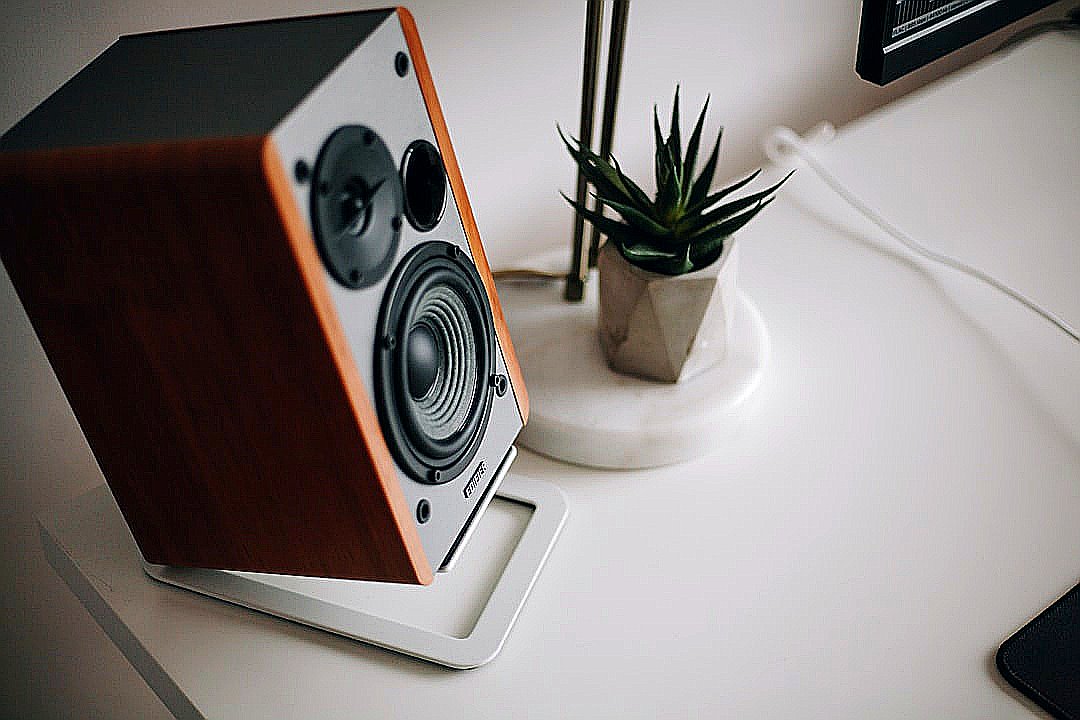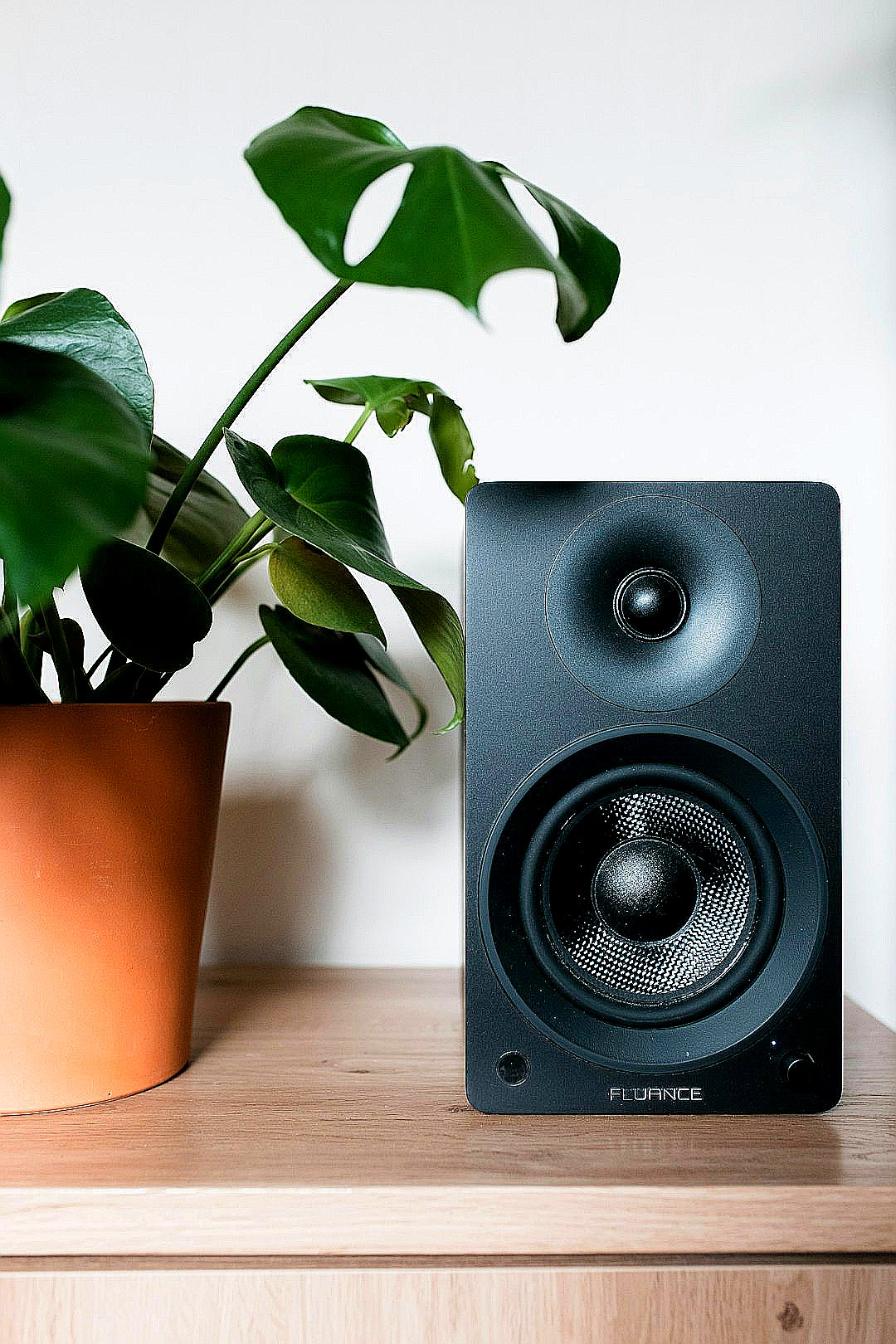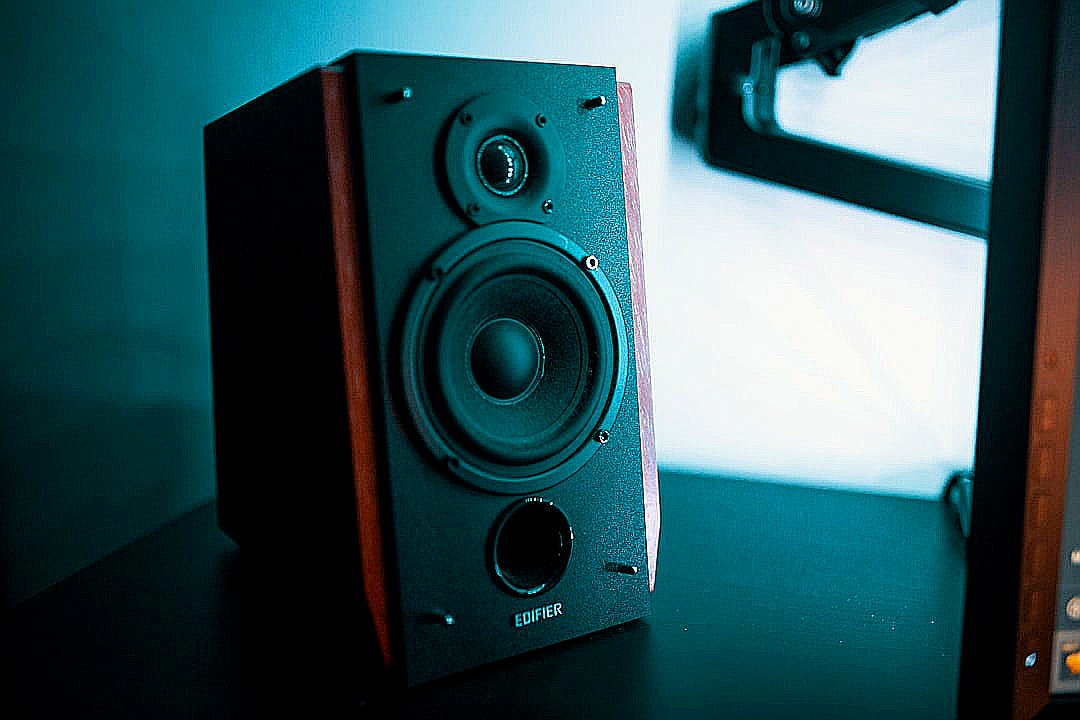
The Sonic Trojan: How Your Desktop Speaker Could Be Your PC's Downfall
Imagine sitting at your desk, your favorite playlist humming through your desktop speakers. You haven’t touched a single cable or clicked a suspicious link, yet your computer starts typing on its own, opening terminal windows and downloading files. It sounds like a scene from a Hollywood thriller, but a recent security discovery dubbed "Pwnd Blaster" shows that your audio hardware might just be the ultimate Trojan horse.
The Bluetooth Backdoor
The core of the Pwnd Blaster exploit lies in the way some modern Bluetooth speakers handle firmware updates. Researchers discovered that certain high-end desktop speakers utilize unauthenticated Bluetooth Low Energy (BLE) protocols. This means that a device within range doesn't need a password or physical pairing button to communicate with the speaker's internal controller.
By exploiting this lack of authentication, an attacker can remotely upload a custom, malicious firmware. Because BLE is designed for efficiency rather than speed, the process can take around ten minutes, but it happens entirely over the air without the user ever knowing their hardware has been compromised.
From Audio Device to Secret Keyboard
Once the modified firmware is installed, the speaker undergoes a digital identity crisis. It stops being just a speaker and starts acting like a "Rubber Ducky"—a notorious type of hacking tool that mimics a Human Interface Device (HID), such as a keyboard.
Because computers are designed to trust keyboards implicitly, the "new" speaker can inject keystrokes directly into the operating system. It can execute commands, bypass security prompts, or exfiltrate data, all while appearing to the system as a standard input device. The most alarming part? When researchers reported this to SingCERT and the manufacturer, Creative, the response was reportedly that they did not consider the lack of authentication a vulnerability. This highlights a massive gap between consumer expectations and hardware security standards.
A New Frontier for Air-Gaps
While this specific attack requires the attacker to be within Bluetooth range, it highlights a growing trend in side-channel and hardware-based exploits. As we continue to fill our offices with "smart" peripherals, the surface area for unauthenticated attacks grows. For now, the best defense is awareness and ensuring your peripherals are from manufacturers that prioritize authenticated firmware updates and secure communication protocols.
Sources
Media