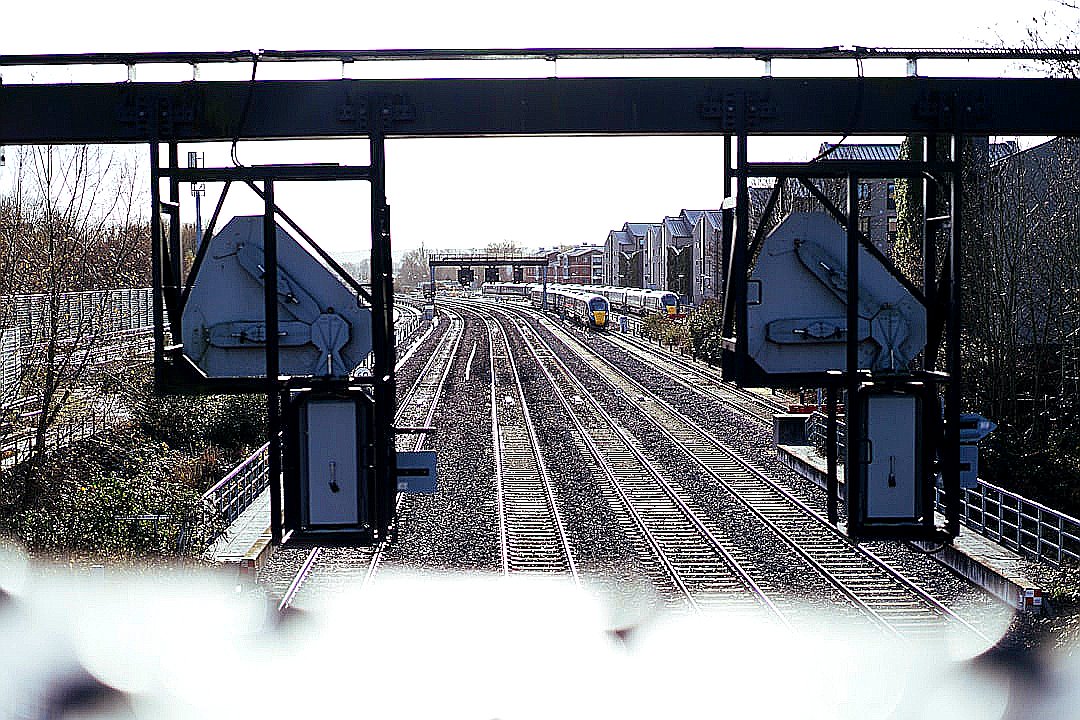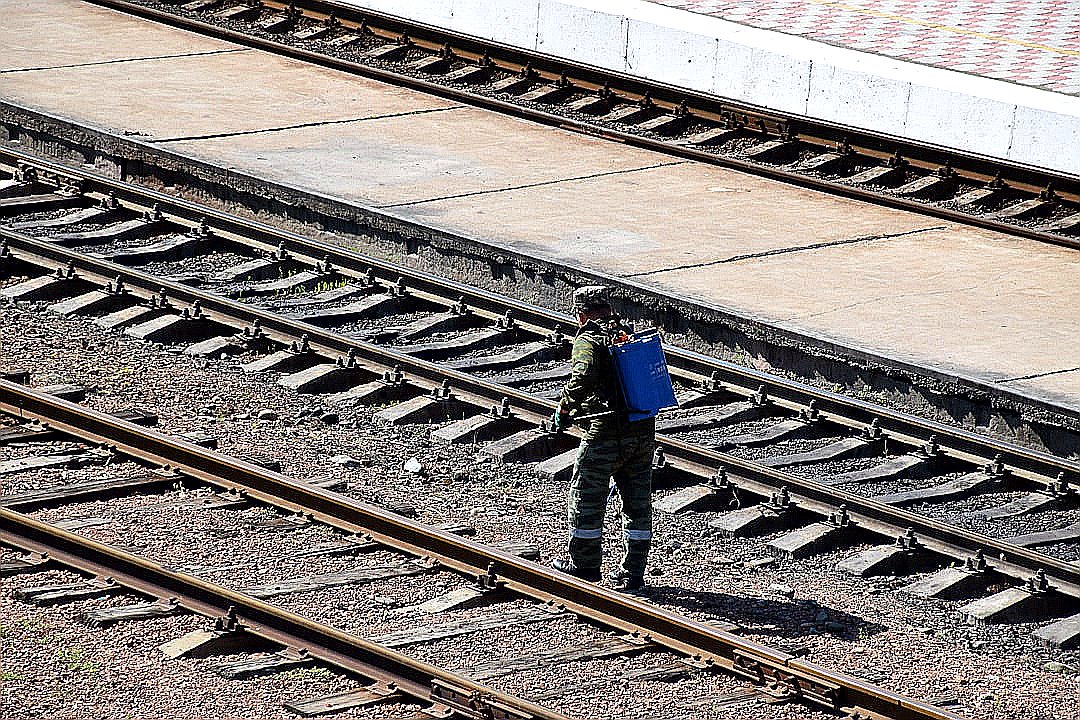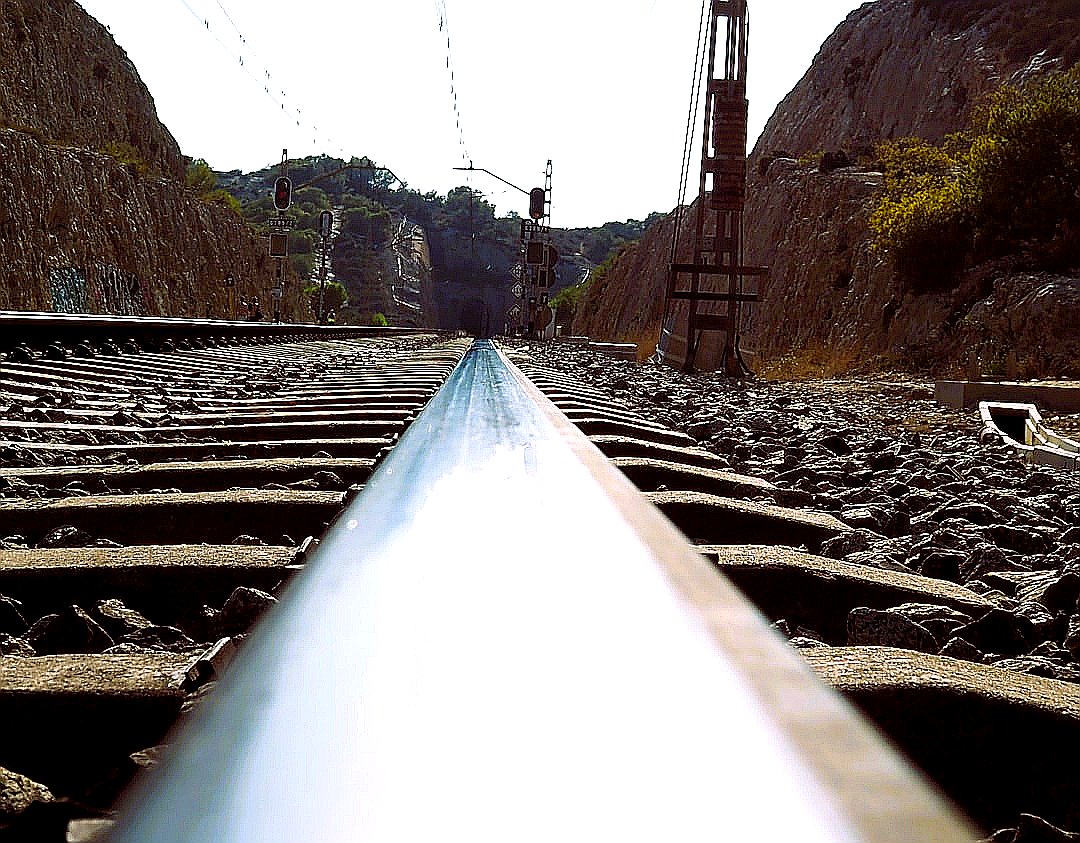
Imagine a flatbed scanner. Now, imagine that scanner is several miles long, powered by a locomotive, and gliding across a national railway network. While most of us use scanners for PDFs and old photos, Philomena Gray has reimagined the concept on a massive scale, treating the physical infrastructure of the tracks as a giant sensing apparatus.
Infrastructure as an Instrument
At its core, this project isn't about digitizing paper; it's about physical-world sensing. By mounting sensors to a train, the railway network becomes the 'carriage' of a flatbed scanner. As the train moves, it collects data lines across the landscape, effectively "scanning" the environment. It's a brilliant piece of creative engineering that turns a mundane commute into a high-resolution data acquisition mission.

The Engineering Headache
Of course, scanning a country isn't as simple as hitting 'Start' on an Epson. Gray has highlighted the significant technical hurdles involved, specifically the struggle to accurately measure train speed in real-time. If the speed fluctuates, the "image" stretches or compresses. Processing these ultra-wide datasets and displaying them in a coherent format requires a level of computational gymnastics that would make a standard office scanner crash instantly.
A New Way of Seeing
This approach signals a shift toward "opportunistic sensing," where we stop building dedicated sensors and start using the existing movement of the world to gather information. Whether it's monitoring track health or mapping electromagnetic interference, the railway is no longer just for passengers—it's a giant, rolling laboratory.
Sources
Media