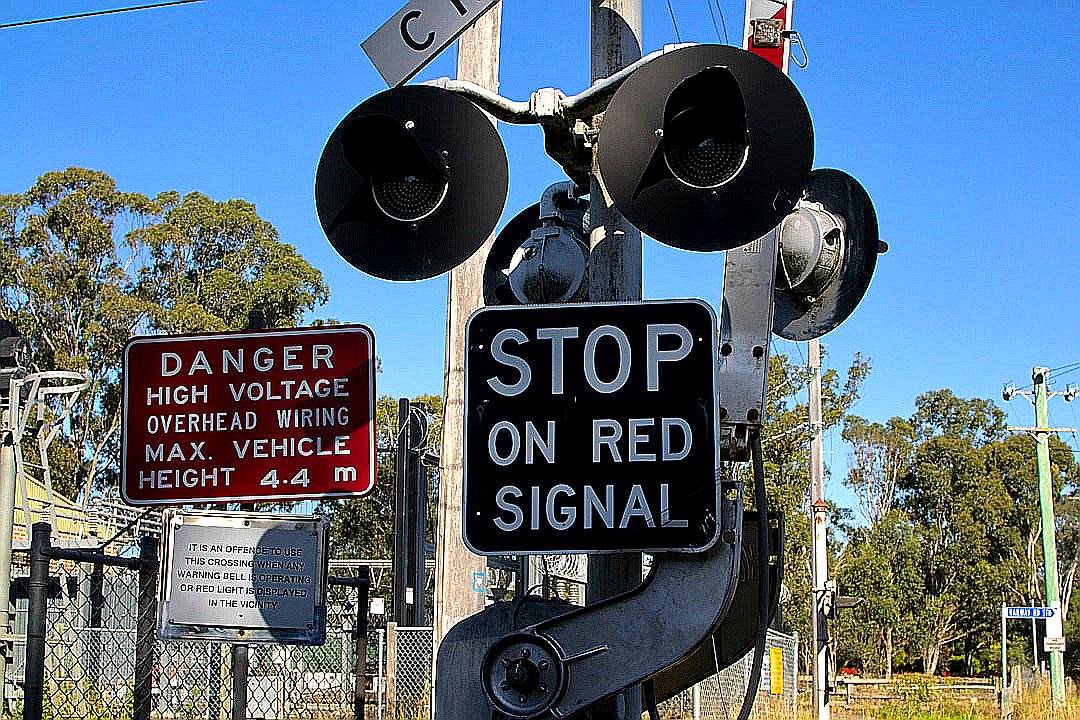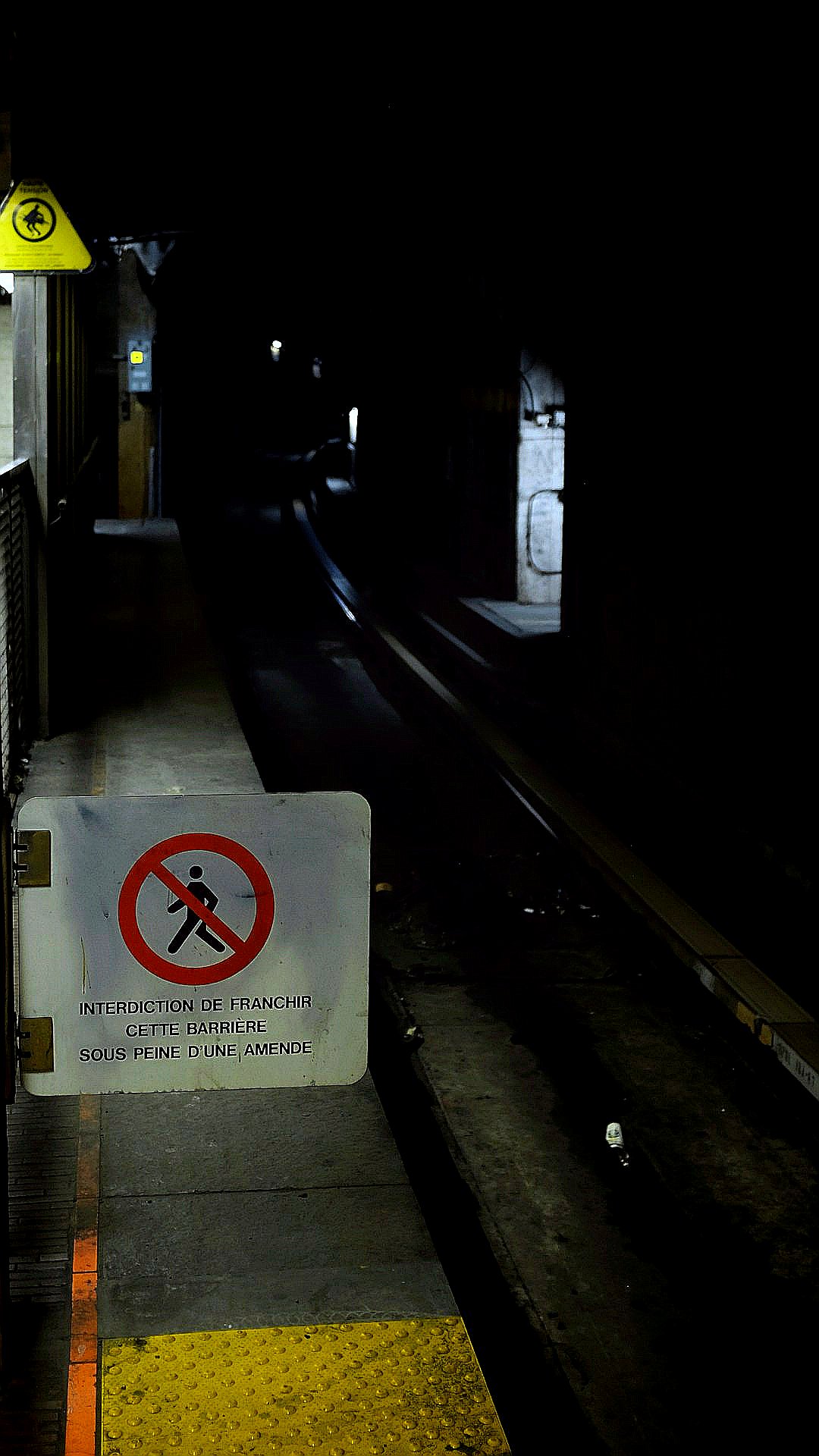
Imagine a high-speed train screeching to a halt not because of an obstacle on the tracks, but because of a silent, invisible radio wave. It sounds like the plot of a tech-thriller, but for modern transit systems, it’s becoming a stark security reality. As our infrastructure grows more connected, it’s also becoming more vulnerable to a technique known as signal injection.
The Vulnerability of Legacy Iron
High-speed rail networks often rely on specialized communication protocols like TETRA or GSM-R. While these systems were built for extreme reliability, many were designed decades ago when the hardware required to interact with them was prohibitively expensive. That’s no longer the case.
A recent incident in Taiwan highlighted this gap when a student used a Software-Defined Radio (SDR) and handheld devices to halt four high-speed trains for nearly 50 minutes. The system had reportedly been in service for 19 years, and while it had multiple verification layers, the security parameters had never been meaningfully rotated. This "legacy lag" creates a massive opening for anyone with a few hundred dollars of equipment and the right software.
The Power of the Software-Defined Radio
In the past, radio components were fixed in hardware. Today, SDRs like the HackRF, BladeRF, or the high-end USRP B210 shift that processing to software. Using platforms like SDRangel or SDR++, a user can scan the spectrum, identify transit frequencies via the Signal Identification Wiki, and record or spoof messages.
Research into "Bullet Signaling" has shown how precise message spoofing can target 4G/5G and legacy signaling to inject unauthorized commands. This isn't just about eavesdropping; it's about active manipulation. By mimicking the signals used for Transit Signal Priority (TSP), an attacker could theoretically force green lights at intersections or trigger emergency braking protocols remotely. As we move toward digital twin models for signal simulation, the line between a controlled test and a real-world exploit continues to blur.
A Moving Target for Security
As transit authorities push for "Connected Transit Vehicles," the attack surface only expands. The convenience of software-based signaling is undeniable, but the Taiwan incident serves as a wake-up call. If we don't update the aging protocols under our tracks, the very technology meant to make transit faster might be what brings it to a standstill.
Sources
- https://en.wikipedia.org/wiki/Software-defined_radio
- https://sage.cnpereading.com/doi/10.1177/03611981211044459
- https://github.com/f4exb/sdrangel
- https://www.sigidwiki.com/
- https://yantechlab.com/products/yx-os24-usrp-b210-wideband-sdr-signal-processing-platform-with-ad9361-and-k325t-fpga-uhd-compatible-for-openwifi-development
- https://www.rtl-sdr.com/student-arrested-in-taiwan-for-using-sdr-and-handheld-radios-to-halt-four-high-speed-trains-with-tetra-hack/
- https://ceur-ws.org/Vol-4198/paper52.pdf
- https://www.sdrpp.org/
- https://arxiv.org/html/2605.01553
- https://www.cta.ru/articles/soel/2016/2016-8/15744/
Sources
- https://en.wikipedia.org/wiki/Software-defined_radio
- https://sage.cnpereading.com/doi/10.1177/03611981211044459
- https://github.com/f4exb/sdrangel
- https://www.sigidwiki.com/
- https://yantechlab.com/products/yx-os24-usrp-b210-wideband-sdr-signal-processing-platform-with-ad9361-and-k325t-fpga-uhd-compatible-for-openwifi-development
- https://www.rtl-sdr.com/student-arrested-in-taiwan-for-using-sdr-and-handheld-radios-to-halt-four-high-speed-trains-with-tetra-hack/
- https://ceur-ws.org/Vol-4198/paper52.pdf
- https://www.sdrpp.org/
- https://arxiv.org/html/2605.01553
- https://www.cta.ru/articles/soel/2016/2016-8/15744/
Media