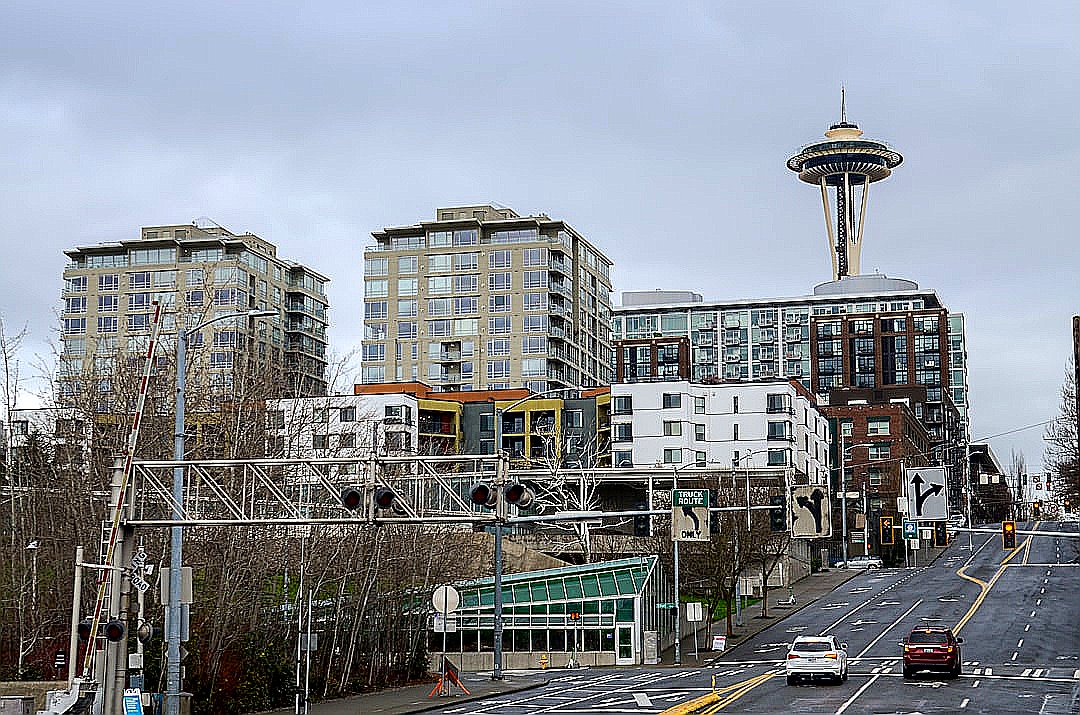
Seattle is known for the Space Needle and Pike Place, but a new kind of "sightseeing" is taking over the Emerald City. It’s called infrastructure sightseeing, and it’s way more cyberpunk than your average history walk. Instead of pointing out art deco architecture or historic landmarks, these tours focus on the grey boxes, dome cameras, and hidden sensors that form the city’s digital nervous system.
The Rise of Adversarial Urbanism
Organized by groups like Coveillance, these walks represent a shift toward "adversarial urbanism." It’s the idea that by physically identifying surveillance tech, citizens can reclaim their agency in an increasingly tracked environment. This isn't just for the paranoid; it's a form of grassroots digital literacy. Participants learn to spot everything from Automated License Plate Readers (ALPRs) to the mesh network nodes that quietly ping our smartphones as we walk by.

Mapping the Invisible City
This movement isn't unique to Seattle—similar initiatives like the "Street Seen" tours in Pittsburgh have paved the way for this brand of physical auditing. By using tools like "The People’s Field Guide to Spotting Surveillance," attendees learn to distinguish between a standard traffic camera and more invasive tech like cell-site simulators.
It’s an exercise in making the invisible visible, turning the abstract concept of "the cloud" into tangible hardware mounted on a lamp post. These tours bridge the gap between digital privacy and physical space, showing that the internet isn't just a series of tubes—it’s a series of sensors watching the sidewalk.
As Seattle continues to integrate "smart city" tech and safety projects, these tours serve as a reminder that the city is a living laboratory. Whether you view this infrastructure as essential security or an overreach of the panopticon, knowing where the eyes are is the first step in understanding the modern urban landscape. The next time you’re walking downtown, look up—you might be surprised by who, or what, is looking back.
Sources
Media