For decades, physics textbooks told a simple story about magnetism. You had ferromagnets (like your fridge magnet) and antiferromagnets (where spins cancel each other out). It was a binary world—until now. A team led by the U.S. Department of Energy's SLAC National Accelerator Laboratory has just rewritten the rulebook by delivering conclusive experimental proof of a third magnetic phase: altermagnetism.
A Hybrid Powerhouse
First postulated in 2022, altermagnetism is essentially the 'best of both worlds.' It possesses the zero net magnetization of an antiferromagnet—meaning it doesn't create stray magnetic fields—but it also features the spin-polarized electronic properties typically reserved for ferromagnets.
By using X-ray measurements to identify a unique 'magnetic handedness' (chirality) in manganese telluride (MnTe), the SLAC team observed properties that are theoretically impossible to explain using the old two-phase model. This wasn't just a hint; it was a direct observation of a new state of matter.
Why This Matters for Your Hardware
So, why should we care about a new magnetic phase? The answer lies in spintronics. Because altermagnets can manipulate electron spins without the bulky energy requirements or interference issues of traditional magnets, they are prime candidates for the next generation of computing.
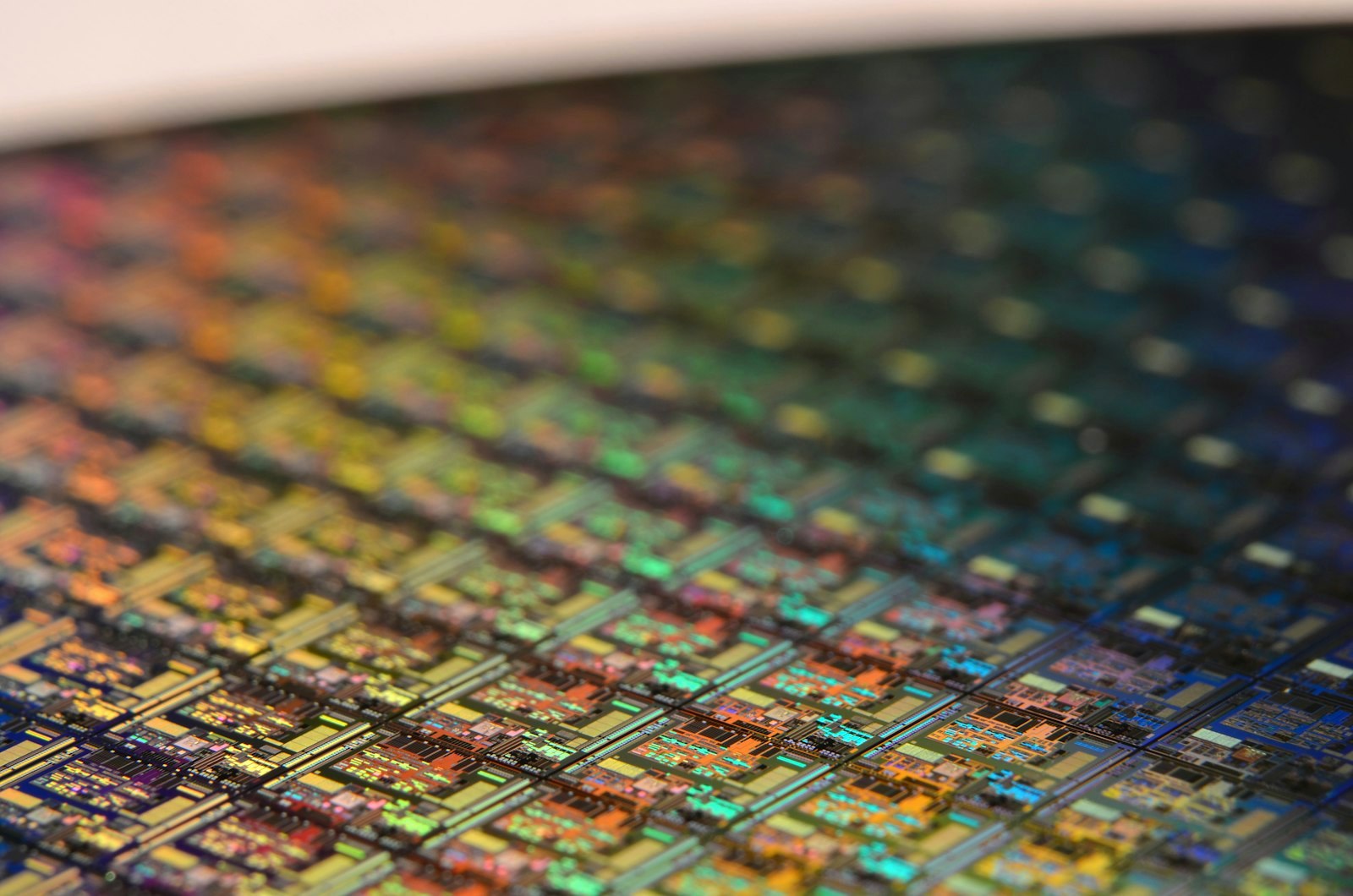
Researchers believe this discovery could pave the way for ultra-fast memory devices, more efficient data centers, and breakthroughs in quantum technologies. We're talking about hardware that is faster, cooler, and significantly more energy-efficient than the silicon-based tech we use today.
While we aren't putting altermagnets in our smartphones tomorrow, this proof-of-concept opens a massive door for material science. We've found a new tool in the physics toolkit, and the race to build the first altermagnetic chip has officially begun.
Sources
Media