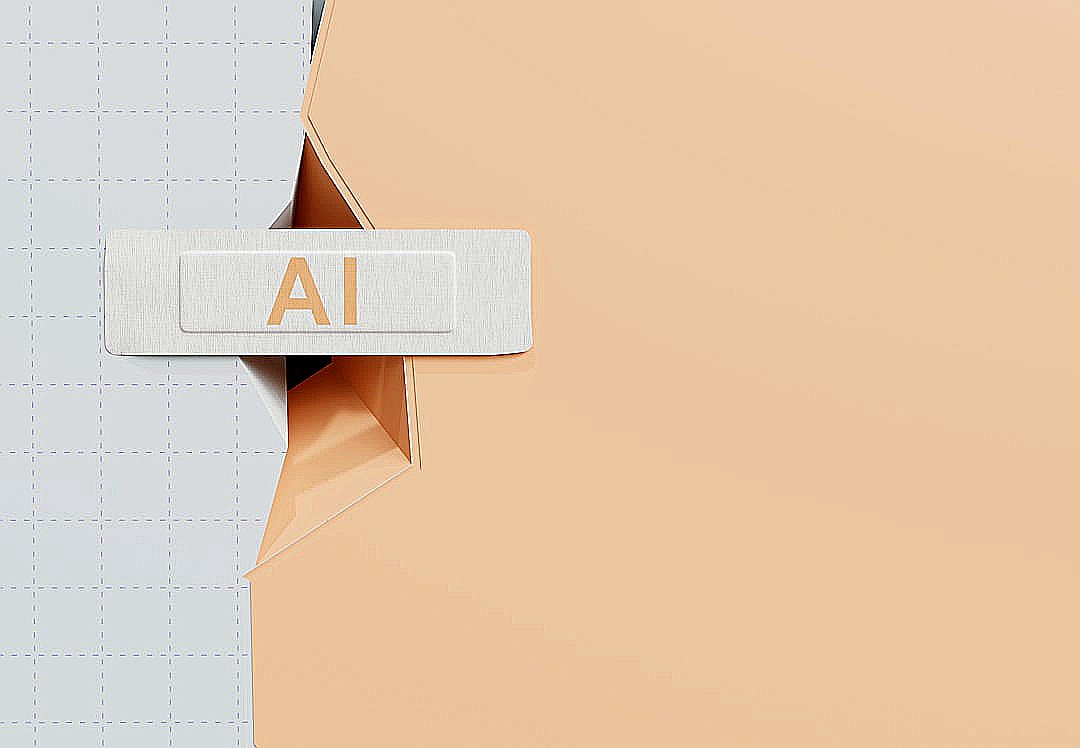
Ever feel like the internet is starting to look... the same? If you've noticed a sudden surge of soft beiges, rounded corners, and a vaguely 'corporate-friendly' glow across your favorite apps, you aren't imagining it. We are witnessing the birth of the 'AI Aesthetic'—a distinct visual language emerging from the tools that are now designing our digital world.
The Rise of Generic Beauty
Much like how LLMs have their own linguistic tics—think overused em-dashes or the classic 'not X, but Y' phrasing—generative AI is creating a visual shorthand. From the influence of Claude Design to the proliferation of AI-generated slide decks, there is a creeping trend toward a sterile, generic beauty. It's a 'digital impressionism' that often avoids sharp focus or specific detail, allowing brands to project a sense of intelligence without actually defining what that intelligence looks like.
The Rebellion Against the Machine
But not everyone is embracing the beige. As we saturate our feeds with perfectly smoothed-out AI outputs, a counter-culture is emerging. Designers are beginning to push back against sterile automation by leaning into 'glitch' aesthetics, raw textures, and nostalgia. The goal is to move away from the default settings and inject personal, human nature back into the composition. It's a shift from using AI as a final destination to using it as a raw material for something more rebellious and imperfect.
What Comes Next?
As these patterns seep further into our UI/X paradigms, the big question is whether we'll settle into a permanent era of algorithmic blandness or if this friction will spark a new wave of human-centric creativity. One thing is certain: the 'grain' of AI is now part of our cultural fabric, whether we like the color palette or not.
Sources
Media