Imagine stepping into a Waymo. There’s no small talk with a driver, no awkward negotiation over the radio, and no social obligation to be 'on.' It is a frictionless, guilt-free bubble of solitude. While this is a luxury for a commute, a troubling parallel is emerging in the world of academia and science: the "Waymo Effect."
The Allure of Frictionless Work
For decades, research has been a messy, social endeavor. It required the "friction" of peer debate, the slog of co-authoring, and the constant exchange of ideas to refine a hypothesis. But AI tools are changing the math. By providing instant answers, drafting literature reviews, and simulating data analysis, AI allows researchers to bypass the human middleman.
When the technology becomes smooth enough, we start to prefer our own company. Why navigate the social complexities of a collaborator when a LLM can provide a plausible critique in seconds?

From Open Science to Secret Silos
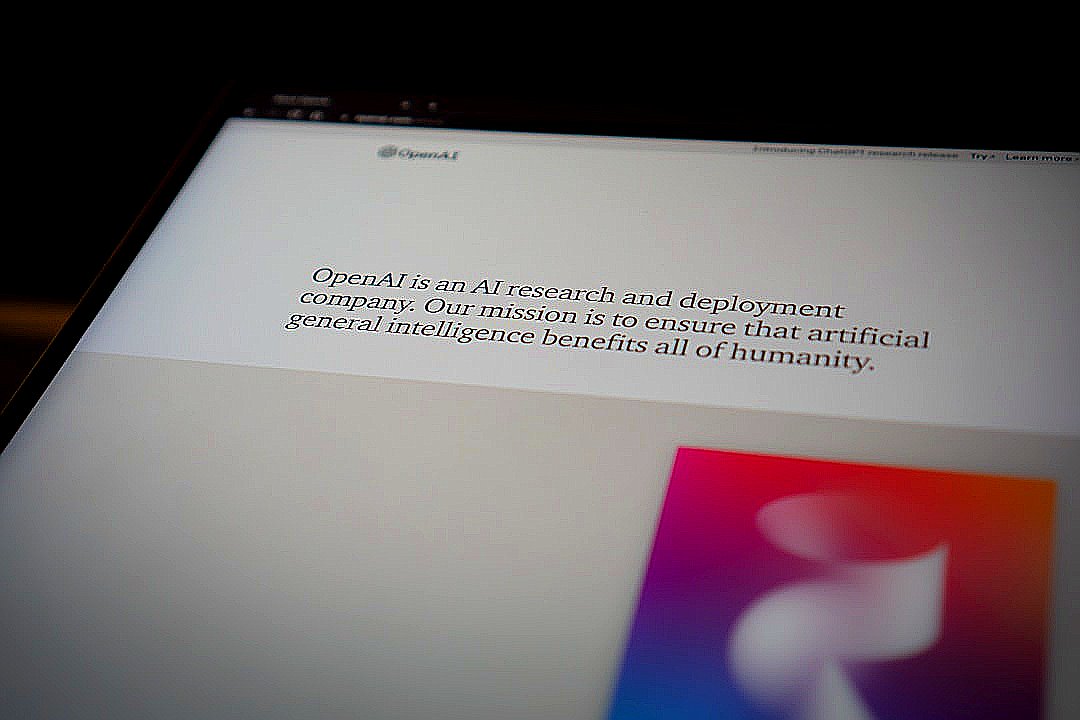
This shift isn't just about personal preference; it's structural. We are seeing a move toward a more secretive research culture, mirrored by commercial AI giants who treat findings as proprietary trade secrets rather than public contributions.
As AI reduces the need for others, the incentive to share diminishes. The risk is a future where research becomes a series of isolated sprints—efficient and fast, but devoid of the serendipitous breakthroughs that only happen when two humans disagree in a hallway.
The Cost of Convenience
If we optimize for the absence of friction, we might accidentally optimize away the very tension that drives scientific rigor. The challenge for research leaders now is to ensure that AI remains a tool for acceleration, not a replacement for the human connection that turns a finding into a discovery.
Sources
Media