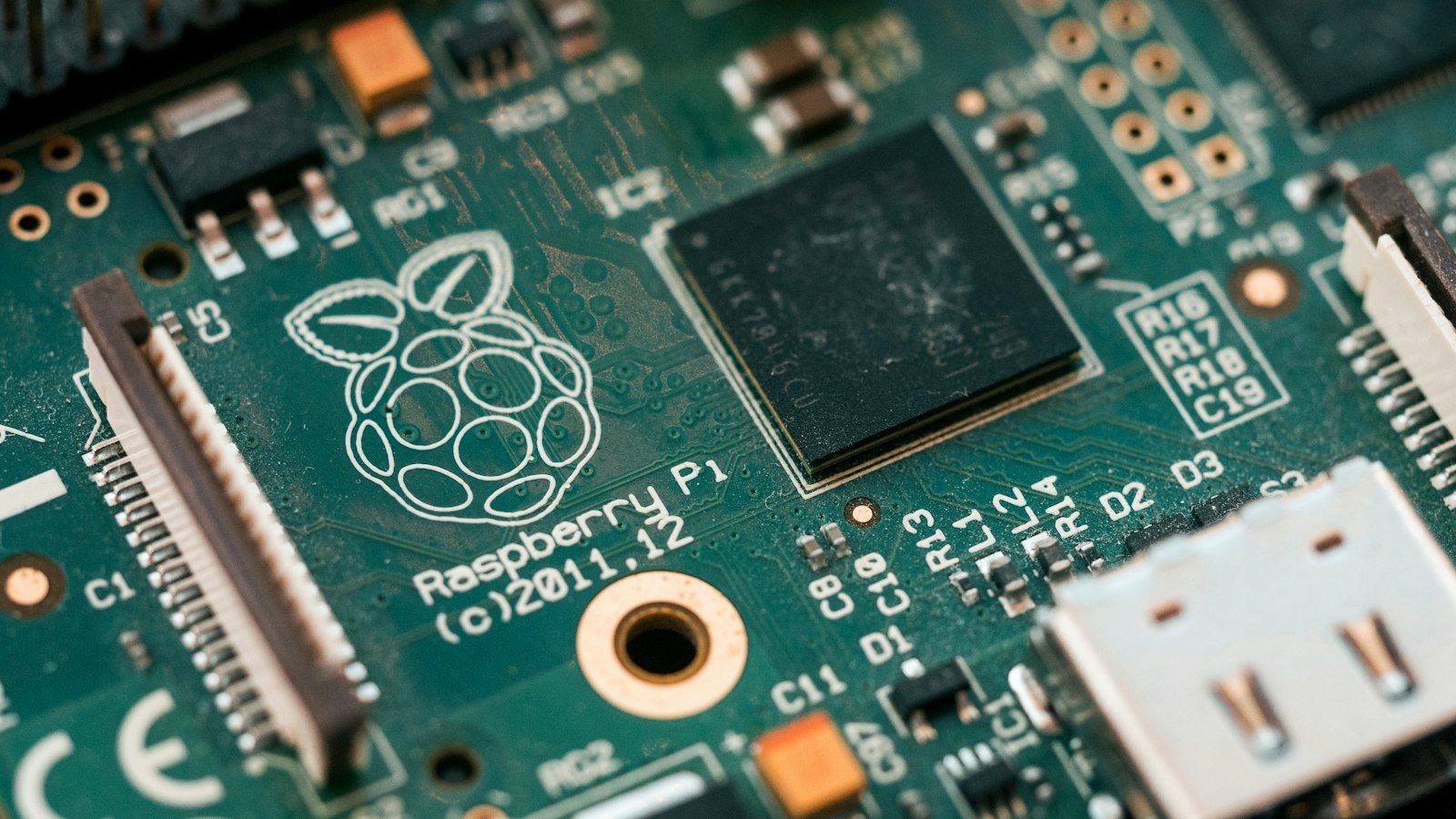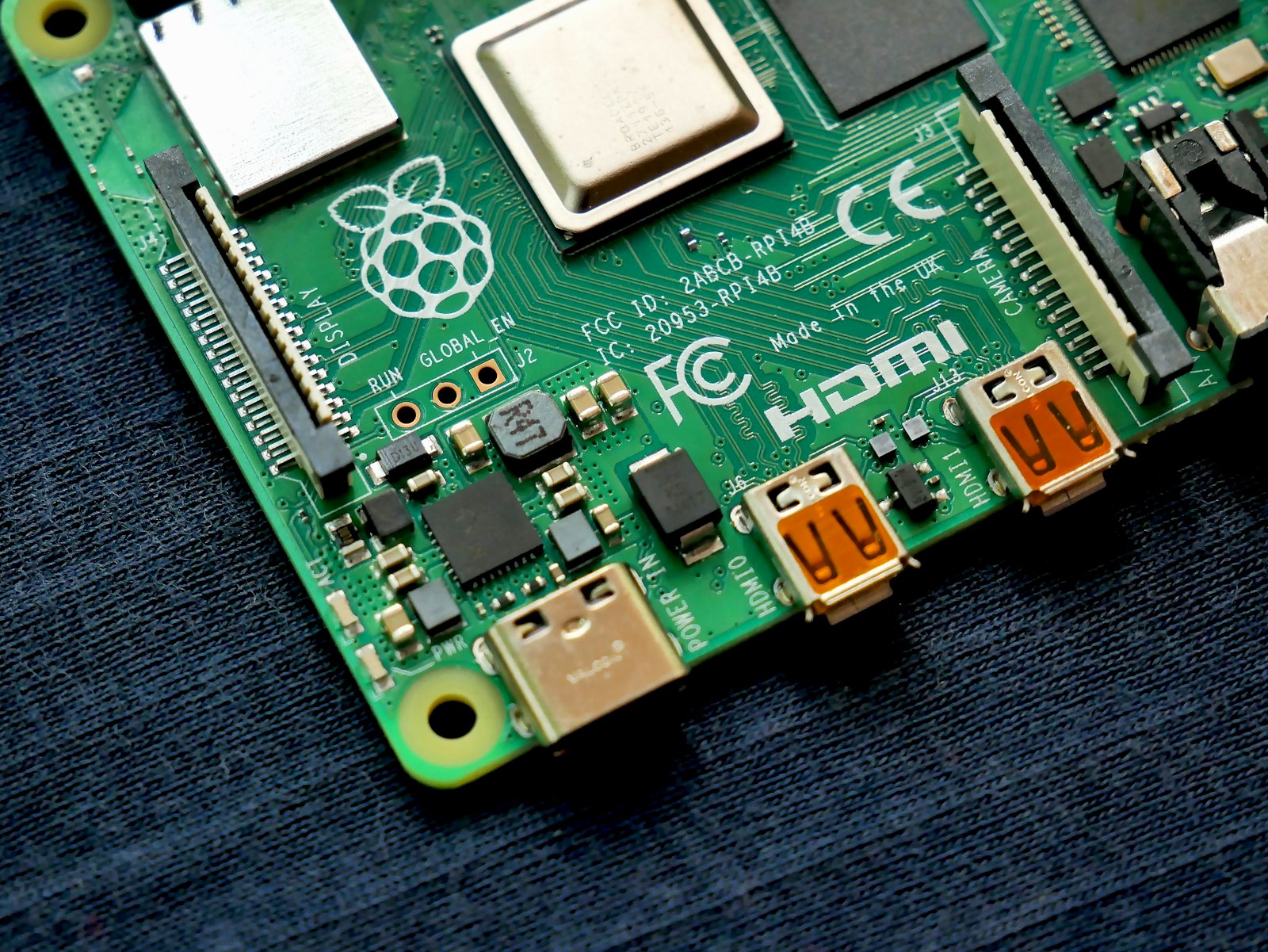
When we think of 'World Models' in AI, we usually imagine massive server farms humming away to simulate reality. But a new project, tinyworldformer, is flipping the script by cramming a generative game engine into a piece of hardware that costs less than a fancy sandwich: the Raspberry Pi Pico 2 W.
The Magic of the Loop
At its core, this project isn't just running a pre-made game; it's using two small neural networks to hallucinate one. The first is a world model—a looped transformer architecture with a remarkably lean footprint (ranging from 26k to 131k parameters). Given the current frame and a player's action, it predicts the next frame and the associated reward. Essentially, the AI is dreaming the game's physics and visuals in real-time.
The Actor and the Arena
While the world model builds the environment, a second 'actor' network handles the decision-making. This creates a closed-loop system where the AI is both the architect and the player. Running this on a microcontroller is a feat of extreme optimization, pushing the boundaries of what we consider 'edge AI.' It proves that you don't need a GPU cluster to demonstrate the fundamental principles of reinforcement learning and state prediction.
The Future of the Edge
This experiment is a glimpse into a future where intelligent, adaptive systems don't rely on the cloud. If we can simulate interactive worlds on a Pico 2, the potential for ultra-low-power robotics and embedded intelligence is staggering. We're moving from static code to dynamic, learned behaviors on the smallest of scales.
Sources
Media