Imagine a world where your home knows you've fallen in the shower, or your car detects a pedestrian around a blind corner—all without a single camera. It sounds like science fiction, but it's becoming a reality through a concept known as Integrated Sensing and Communication (ISAC). By repurposing the radio waves already flooding our environment, researchers are turning ubiquitous hardware into a global network of radars.
From Communication to Detection
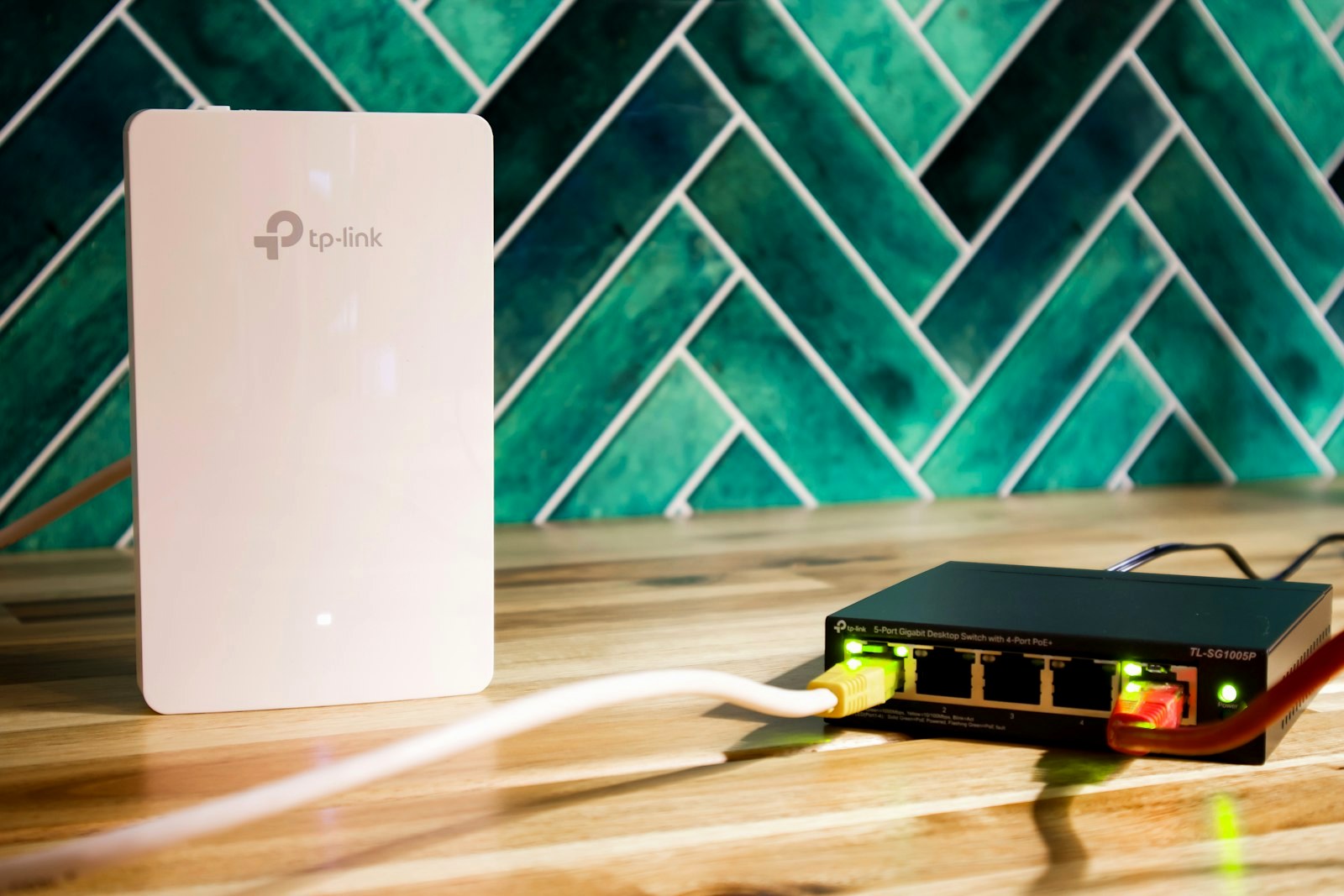
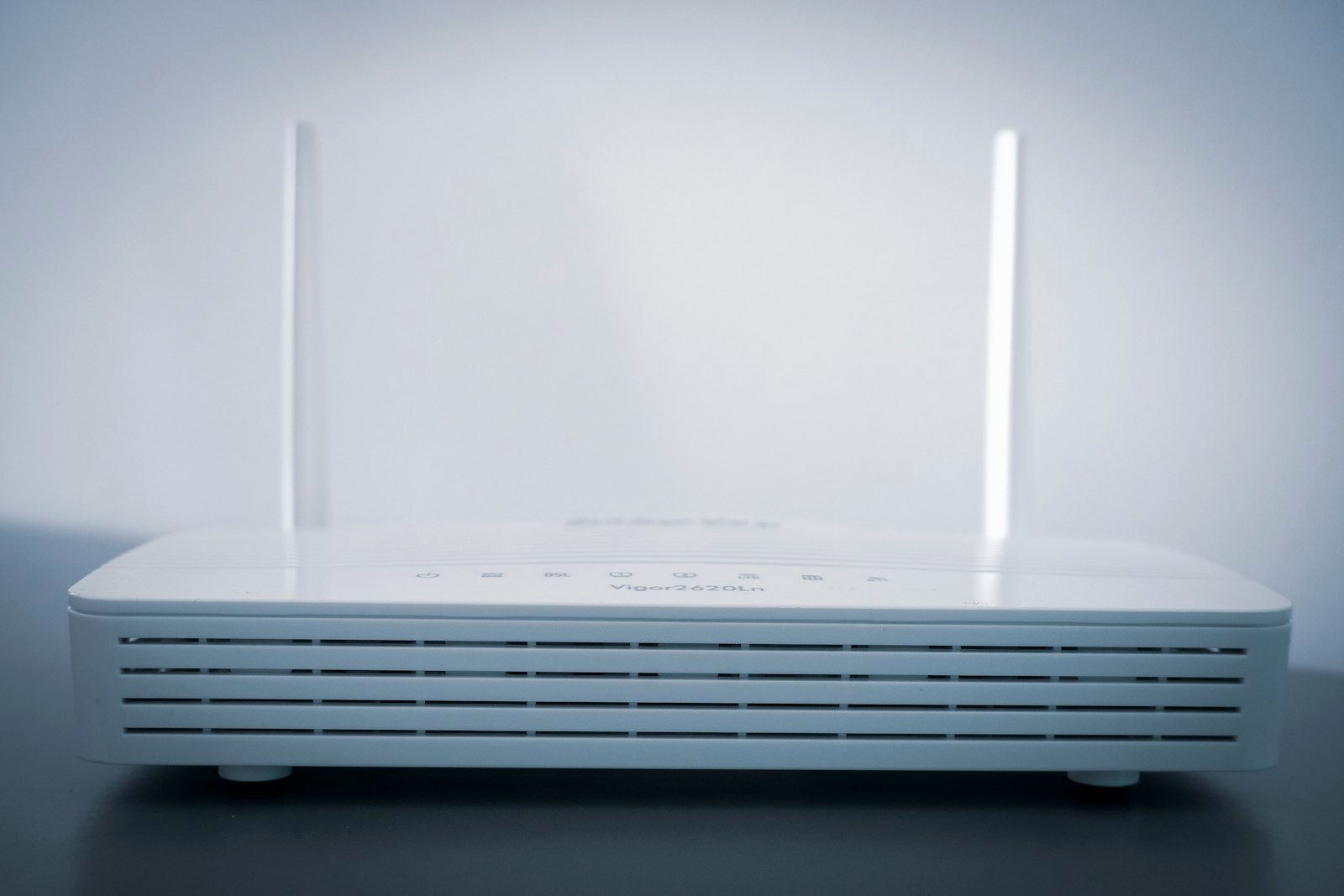
Traditionally, radios have one job: move data from point A to point B. However, radio waves don't just carry packets; they bounce off objects. By analyzing these reflections—specifically the changes in phase and amplitude—systems can detect movement, shape, and distance. This transforms a standard Wi-Fi router or 5G base station into a sophisticated sensor capable of 'seeing' through walls and in total darkness.
The Power of Ubiquity
What makes this a game-changer isn't the technology itself, but the scale. We are surrounded by radio emitters. Integrating sensing into 6G standards could mean that the network infrastructure itself becomes a massive, distributed radar system. This could revolutionize healthcare via non-invasive patient monitoring or enhance autonomous vehicle safety by providing a 'shared' view of the road long before a camera sees an obstacle.
A New Frontier of Privacy
Of course, the ability to track movement through walls raises massive privacy concerns. If every radio is a radar, the line between 'connectivity' and 'surveillance' blurs. The challenge for the next decade won't just be the technical implementation, but creating the ethical guardrails to ensure our connected world doesn't become a panopticon.
Sources
Media