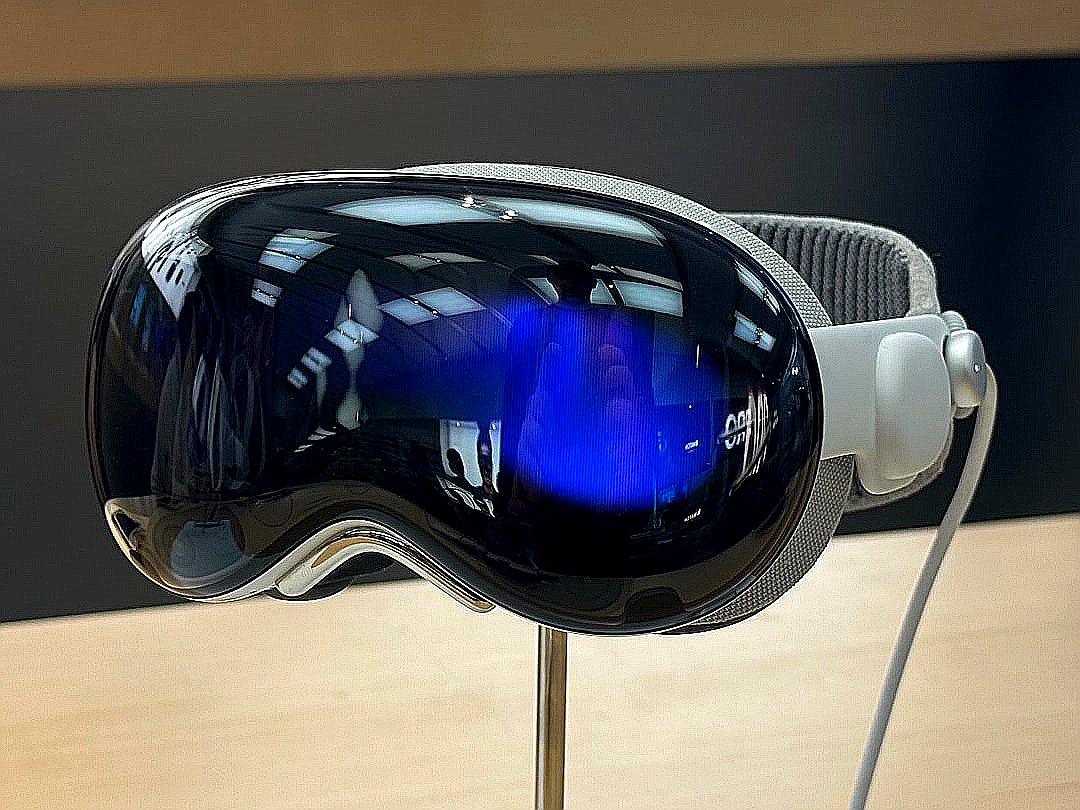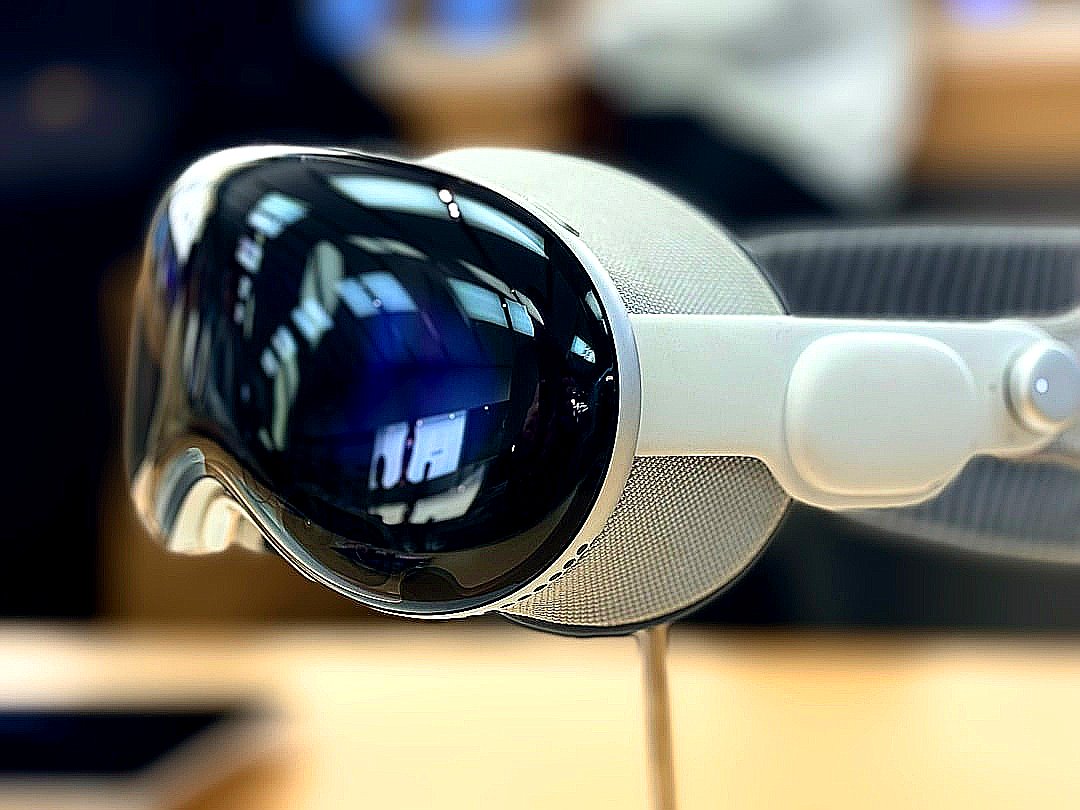
Imagine wearing the most advanced spatial computer on the planet, only to use it to run software older than most of its users. That’s the reality with UHF X11, a new project that brings the venerable X Window System to Apple Vision Pro. It’s a fascinating collision of eras: the 40-year-old backbone of Unix desktops meets the bleeding edge of visionOS.
A Window Into the Past
UHF X11 isn't trying to replace the sleek, glass-morphic windows of visionOS. Instead, it acts as a bridge for legacy desktop applications, allowing them to float in your physical space. Whether you're a developer needing a specific Linux tool or a retrocomputing enthusiast, this app lets you run traditional X11 clients directly within the Vision Pro environment. As enthusiasts on Hacker News have noted, the Vision Pro represents a brand-new product category, yet there is a certain irony in the fact that X11 might just outlast its modern successors like Wayland.

Experimental and Unfiltered
While the idea of running legacy apps in a 3D environment is undeniably cool, there are important caveats. According to the App Store listing, UHF X11 is primarily intended for experimentation, education, and entertainment. Crucially, the app does not encrypt X11 traffic or include a built-in VPN. Users are encouraged to use it only on trusted networks or through a separately configured secure tunnel. It’s a raw, powerful tool that reminds us that while the Vision Pro is a "first-gen" hardware marvel, the software foundations we rely on are surprisingly permanent.
Bridging Two Worlds
As Apple continues to refine the platform—navigating the balance between immersive hand-tracking and traditional productivity—projects like UHF X11 prove that the community isn't just looking forward. From Unity-based 3D experiences to 40-year-old windowing systems, the Vision Pro is becoming a canvas for the entire history of computing. Whether you're using the Digital Crown to adjust your immersion or piping in a terminal from a remote server, the future of spatial computing looks a lot more familiar than we expected.
Sources
Media