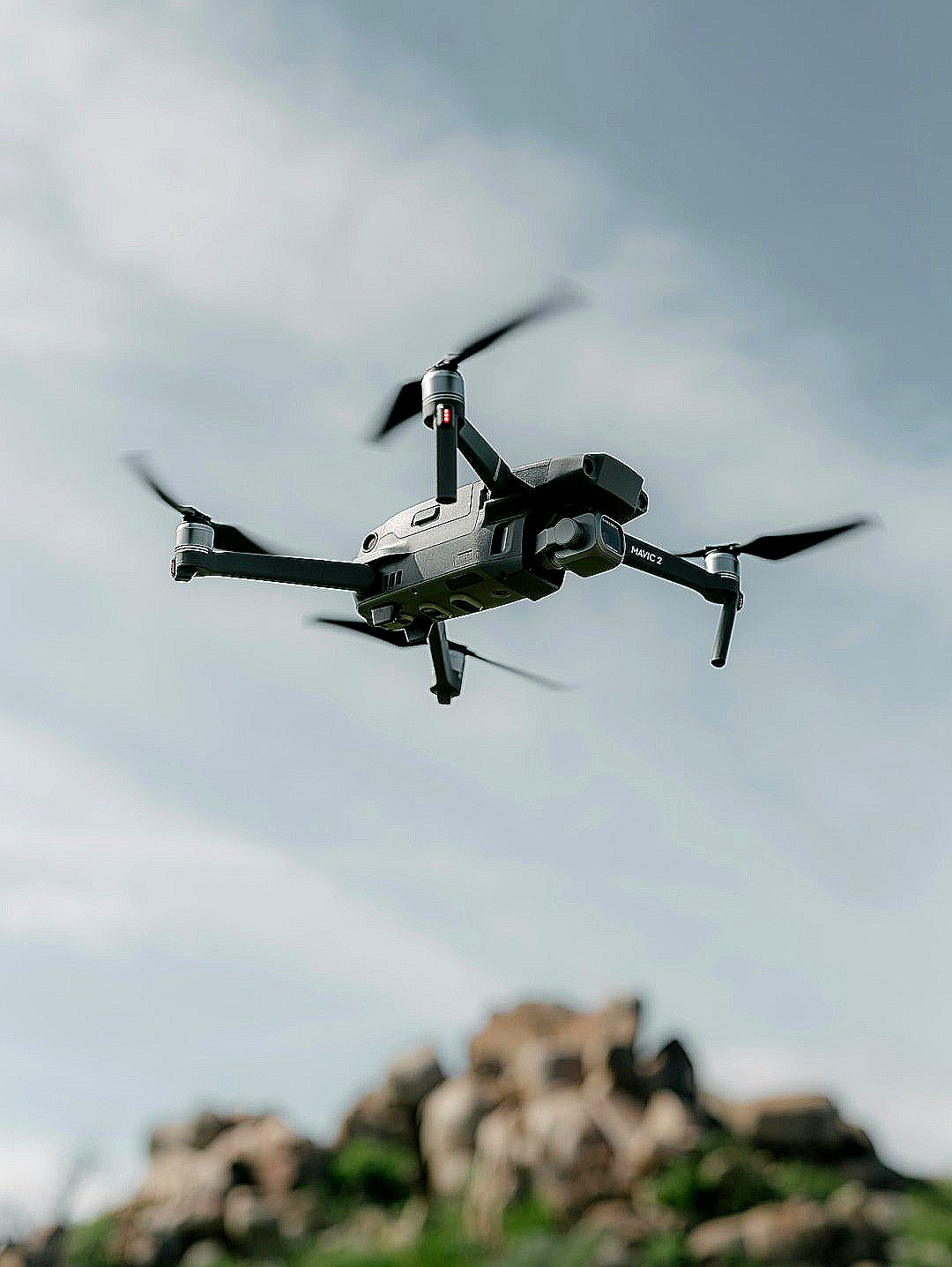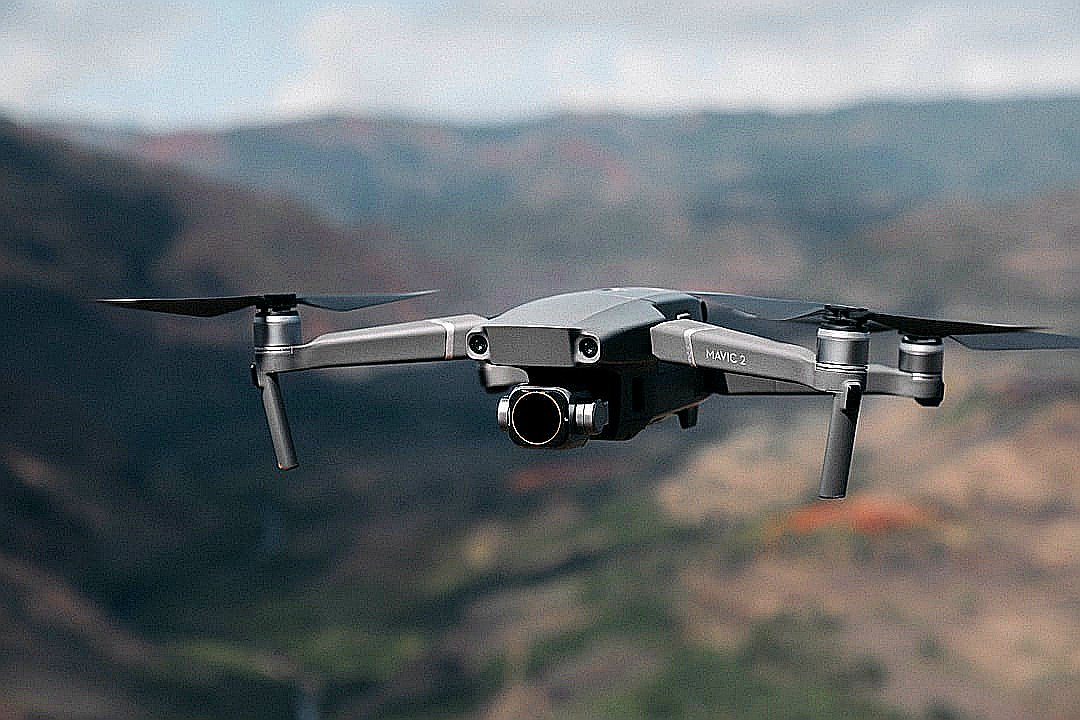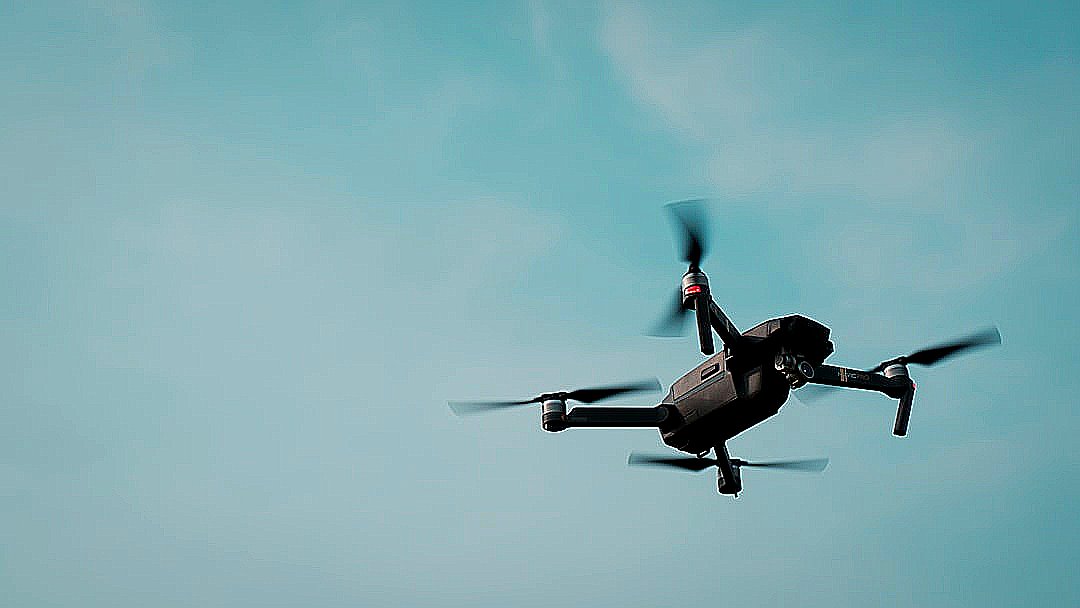
Drones have completely reshaped modern conflict, but their biggest weakness remains their visibility on radar. While high-end stealth jets like the F-35 rely on complex geometric angles and incredibly expensive materials to stay hidden, a Turkish researcher is taking a much more "earthy" approach. By utilizing volcanic rock, Kürşat İnce has developed a spray-on coating that could turn even basic drones into radar-evading ghosts.
Breaking the Decibel Barrier
The technology, dubbed “Kürşat 3.0,” is a sprayable radar absorbent material (RAM) specifically designed for small uncrewed aerial vehicles (UAVs). What makes this formulation a headline-grabber isn't just its unconventional volcanic origin, but its sheer performance. In test footage shared by İnce, the coating demonstrated a staggering 43dB reduction in radar return signals.
To put that in perspective, typical high-end radar absorbent materials used in the industry usually hover between 20 and 30dB of attenuation. Jumping to 43dB represents a massive leap in material science, potentially making a drone nearly indistinguishable from background noise on a radar screen.
Tactical Stealth for the Masses
Traditionally, achieving stealth is a hardware nightmare. You usually have to design the entire aircraft from scratch to ensure radar waves bounce away from the receiver. Even advanced jets like Russia’s Su-57 have struggled with implementation, often lacking the necessary engine shielding or material consistency to be truly "fifth-generation" stealth.
The beauty of a spray-on solution is its versatility. Instead of manufacturing a specialized stealth drone from the ground up, this volcanic rock formulation could theoretically be applied to existing tactical hardware. It bridges the gap between expensive, purpose-built stealth platforms and the affordable, mass-produced drones currently dominating modern battlefields.
As drone detection systems become more advanced—incorporating everything from thermal sensors to biometric gait analysis—the race to stay hidden is heating up. If İnce’s volcanic coating holds up under rigorous field conditions, the future of tactical aviation might just be found in the debris of an ancient eruption.
Sources
Media