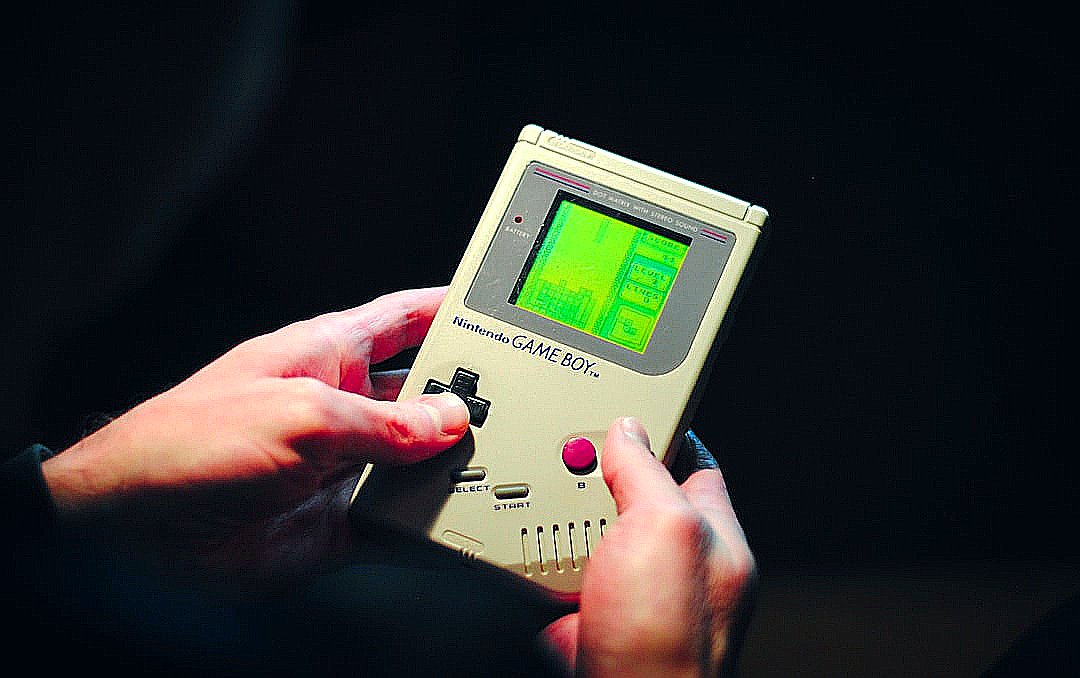
If you’ve ever tried to run a high-end emulator in a browser, you probably expected a bit of lag. For years, the "native" version of an app was the gold standard for performance, while the web version was the "good enough" alternative. But a new project called WATaBoy is flipping that script. By JIT-compiling Game Boy instructions directly into WebAssembly (WASM), it’s proving that the browser can actually outrun traditional native interpreters.
The Magic of JIT-to-WASM
Most emulators work by interpreting bytecode—reading an instruction, executing it, and moving to the next. This process is flexible but carries significant overhead. WATaBoy takes a more aggressive approach. It uses Just-In-Time (JIT) compilation to translate legacy Game Boy instructions into WASM modules on the fly.
This allows the browser’s engine to optimize the code as if it were a native web application. Instead of the emulator "acting" like a Game Boy, the browser effectively "becomes" the Game Boy hardware at a binary level.
Breaking the Speed Barrier
The results are startling. In many benchmarks, WATaBoy’s WASM execution beats out native-code interpreters. This is possible because modern browsers have poured massive resources into optimizing WASM execution. While native interpreters often struggle with branch prediction and cache misses, the WASM engine handles the heavy lifting.
We are seeing this trend across the board. From immediate-mode GUIs like egui to full-scale database engines like PGlite (a WASM version of PostgreSQL), the web is no longer a sandbox—it's a high-performance runtime. Even though developers still face hurdles with WASM debugging—often having to manually map DWARF information—the performance gains are becoming too large to ignore.
The Future of the Web
We are entering an era where the boundary between "web" and "native" is effectively gone. Projects like WATaBoy demonstrate that with the right architecture, browser-based tools aren't just convenient; they are technically superior. As debugging tools improve and WASM matures, expect even more complex legacy systems to find a second, faster life in your browser tab.
Sources
Media