Night of the Living Debt: Why Zombie Unicorns are Haunting Silicon Valley
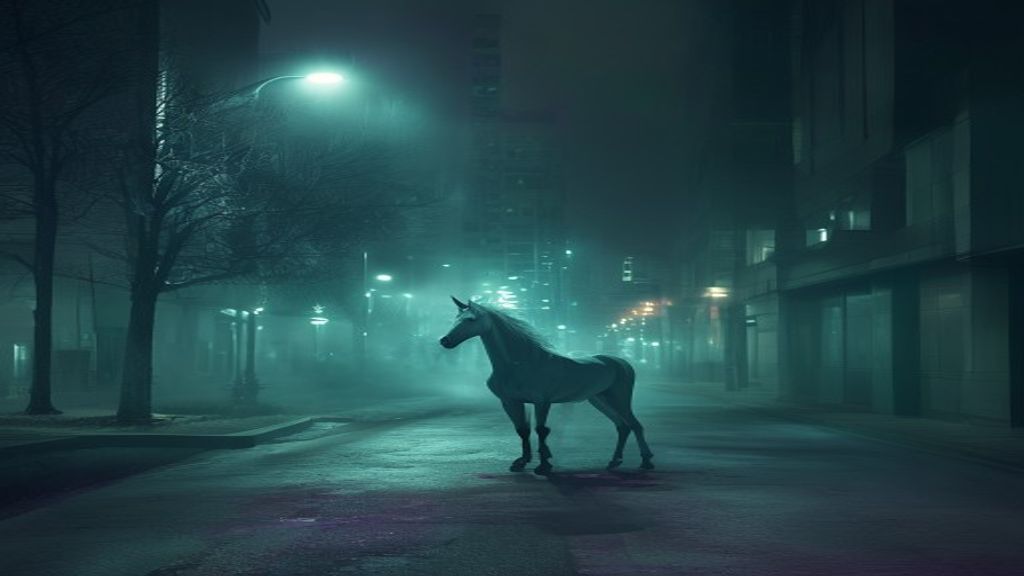
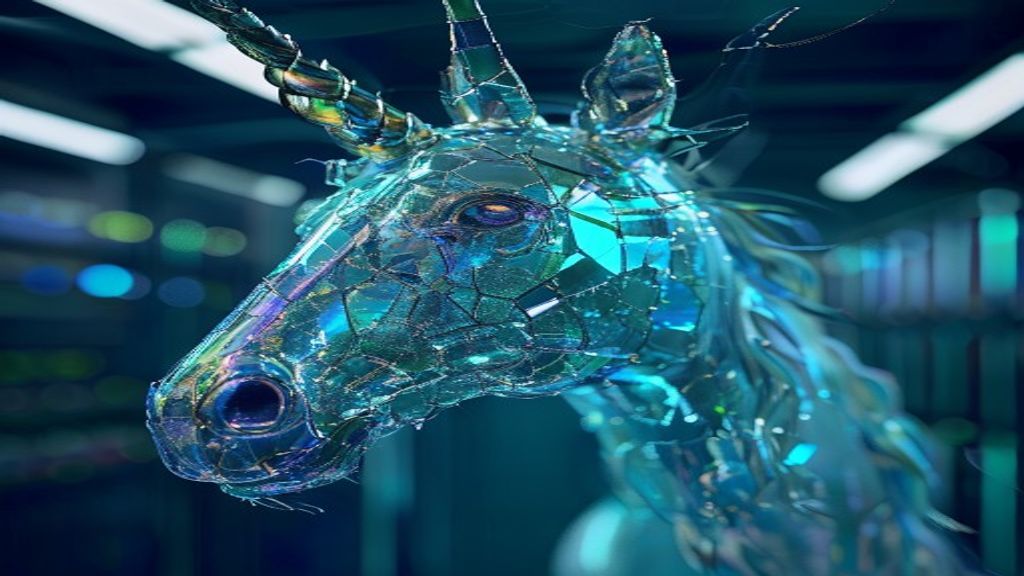
Silicon Valley has always loved its "fantastic beasts." For years, locals have tracked the migration of the unicorn ($1 billion valuation), the centaur ($100 million), and the rare, towering decacorn ($10 billion). But as we move through 2026, a much spookier creature is prowling Sand Hill Road: the zombie unicorn. These are the over-capitalized startups that aren't quite dead, but they certainly aren't thriving. They are the "living dead" of the tech world, and they’re starting to pile up.
Stuck in Post-ZIRP Purgatory
Back in the era of Zero Interest Rate Policy (ZIRP), venture capital flowed like water. Startups raised massive rounds at eye-watering valuations, often based more on vibes than actual profits. Now that the cheap money has dried up, the music has stopped. These companies have enough cash to keep the lights on—usually through brutal cost-cutting and layoffs—but they’ve lost their growth engine.
They are effectively trapped. They are too big to be acquired easily by tech giants facing antitrust scrutiny, and they are too stagnant to successfully launch an IPO. Their backers want their money back, but with growth stalled, there is no clear path to an exit.
The Trap of the Billion-Dollar Tag
The "unicorn" status has become a gilded cage. To raise new money today, these startups would likely have to accept a "down round," which involves slashing their valuation and wiping out the value of employee equity. To avoid that humiliation, many founders choose to sit in a state of suspended animation, burning through their remaining cash while hoping for a miracle.
This isn't just a California problem. From New York to Bangalore, the "feast to famine" cycle has left a trail of startups that are effectively the living dead. In India, the situation mirrors the Valley, with employees and investors suffering as valuations remain frozen in a pre-2022 reality.
What Happens to the Herd?
So, what’s the endgame? Some experts speculate we are on the verge of a massive wave of "fire sales," where these zombies are stripped for parts or sold to private equity firms for a fraction of their peak value. Others believe these entities will simply keep shuffling along, haunting the ecosystem until their bank accounts finally hit zero. One thing is for certain: the magic is wearing off, and the Valley is starting to look a lot more like a graveyard for broken dreams.
Sources
Media